Research Skills
Build the toolkit for real scientific research
A semester-long program for middle and high school students covering the experimental, computational, and analytical tools used in modern research.
Students develop practical skills across experiment automation, microscopy, spectroscopy, statistics, machine learning, and computational modeling.
Program Details
- Program length
- One semester. All six Research Skills areas are included.
- Format
- In-Person Princeton, NJ
- Tuition
- $7,000 per semester, in person.
Learn Research Skills
Scientific research requires more than subject knowledge. Students need to know how to design and automate experiments, work with scientific measurements, analyze data, build models, and choose the right tools for the problem they are trying to solve.
Research Skills brings these methods together in one integrated semester.
We do not expect you to develop full expertise, which may take significantly more hours of practice. Instead, we give you solid foundations to clear the initial learning curve and the ability to grow your skills further as needed. We teach you how to use GenAI efficiently as a knowledge partner and coding accelerator, so you become independent faster and work more effectively.
Courses are taught by members of the SoTS team. Meet the instructors.
The Curriculum
All courses are taught in person in Princeton, NJ.
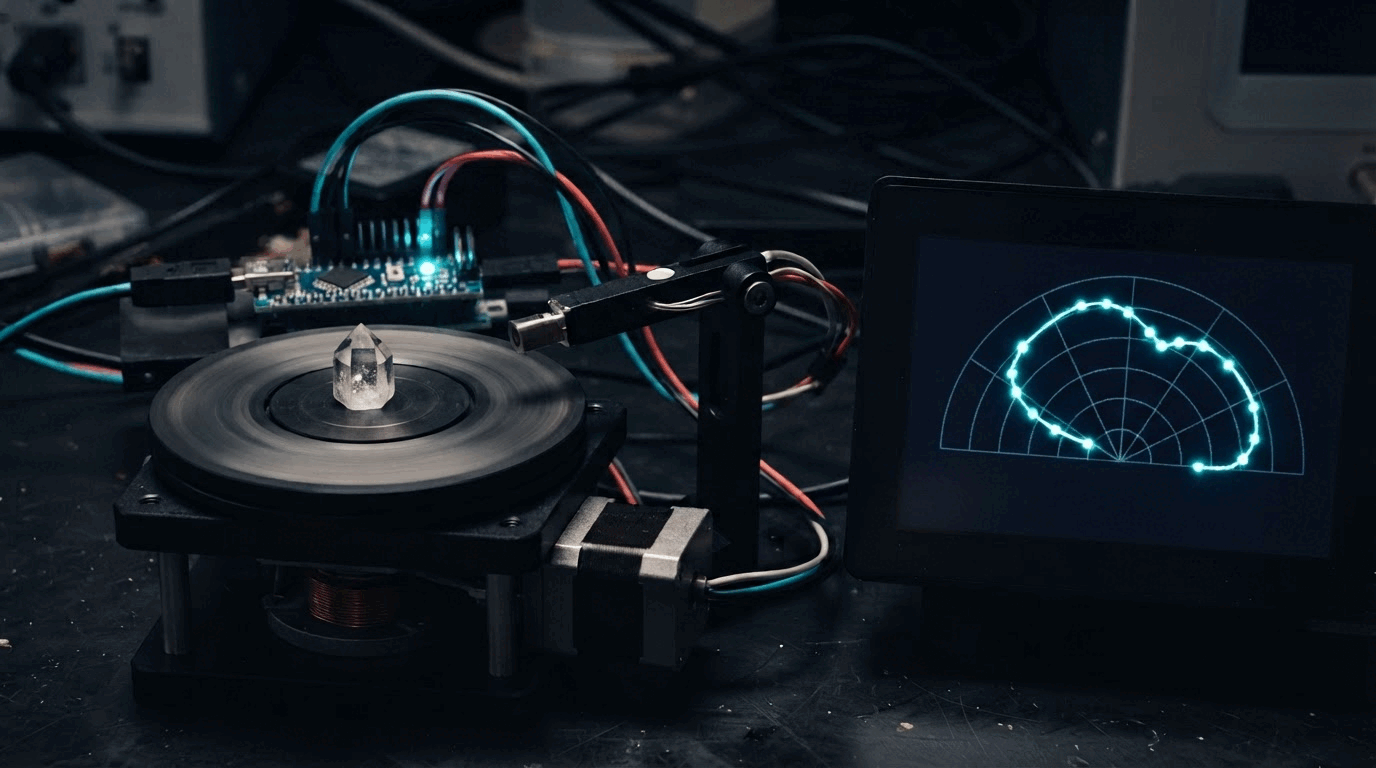
Automating Experiments with Arduino
Turn repetitive experiments into automated systems. Build machines that run experiments on their own: an Arduino that reads sensors, makes decisions, and controls motors, so your project collects data while you focus on the analysis. Example projects: a turntable that scans a sample at every angle, a solar tracker that follows the sun, or a temperature-controlled chamber that runs for days.
Basic coding experience in any language. No electronics background needed, and ideally an experiment or project you would rather not run by hand.
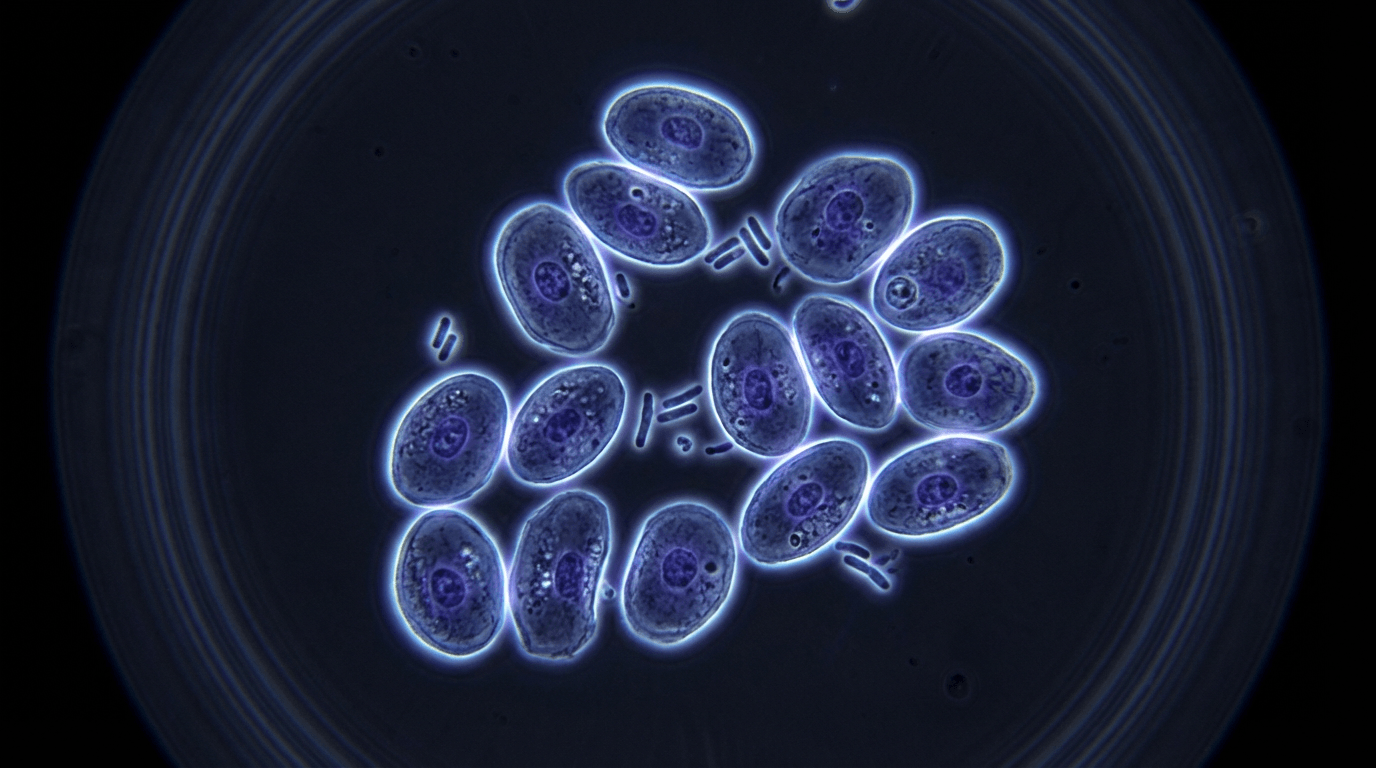
Practical Microscopy
Most school students never get to cover microscopy techniques in depth. Master fundamentals and advanced techniques including contrast methods, resolution limits, and proper illumination. Learn on laboratory-grade microscope with professional optics where you can see the effects of different contrast methods and resolve fine cellular structures. The same class of equipment you'll encounter in university summer programs and research labs.
Basic familiarity with biology or physical science hands-on experimentation
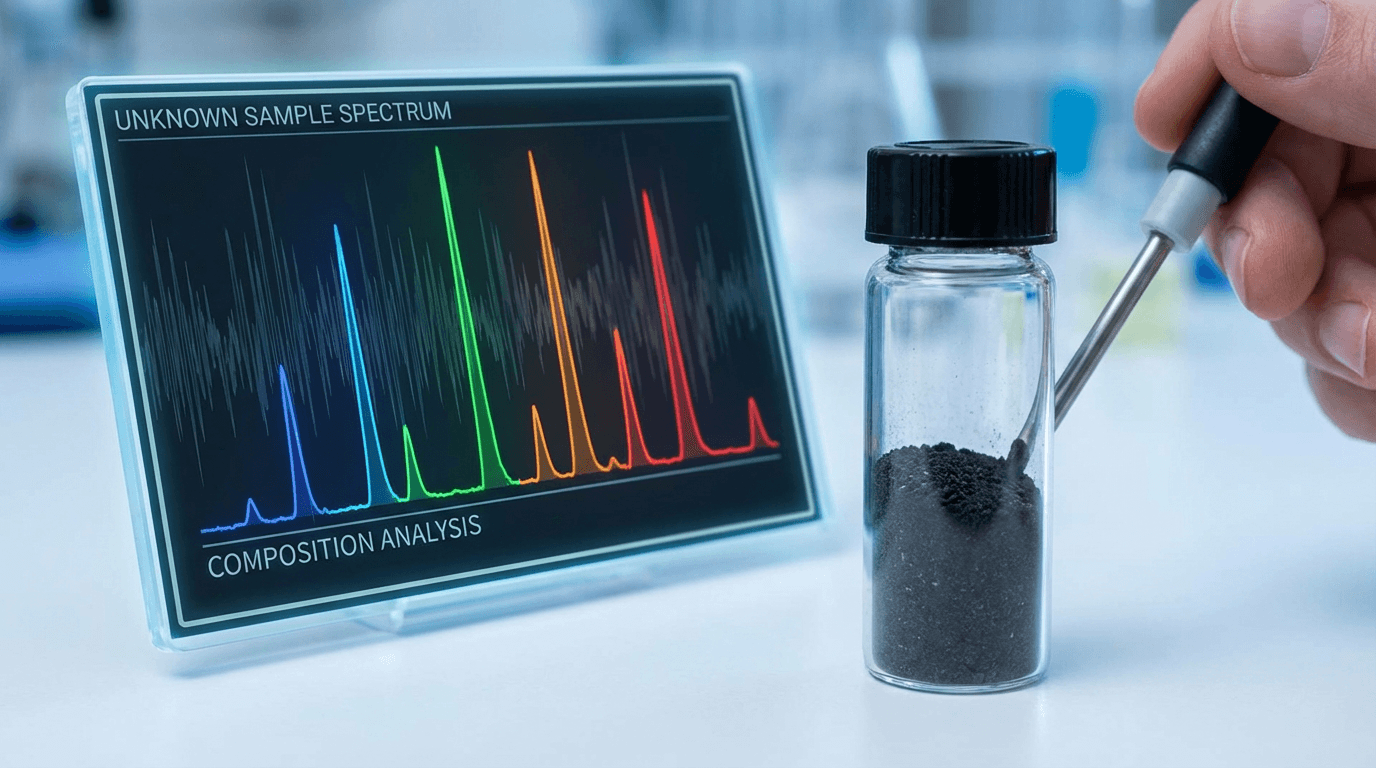
Practical Spectroscopy
Learn how scientists identify what materials are made of. Hands-on with three core techniques: absorption, reflection, and fluorescence spectroscopy. Master material identification, concentration measurements, and data interpretation. Essential foundation for chemistry, physics, biology, and environmental science projects. Learn on the same type of equipment used in university research labs.
Basic optics concepts (light, wavelength, electromagnetic spectrum)
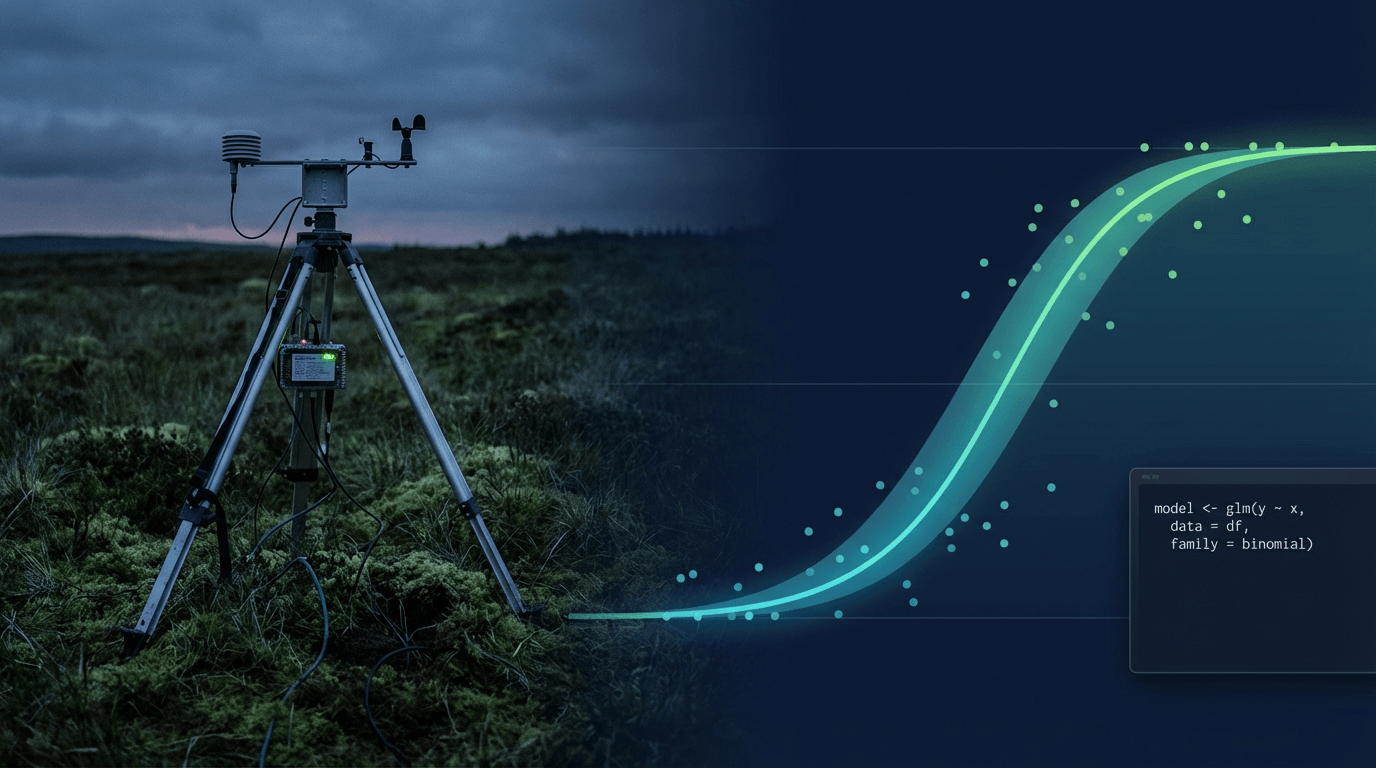
Applied Statistics with R
Your project has data. Now what? Learn to analyze it properly with R and GenAI coding tools - the same approach used in professional research. Walk away with publication-ready charts and statistical analysis that judges actually respect.
Basic statistics concepts (mean, median, standard deviation, distributions). Basic coding experience in any language.
Applied Machine Learning with Python
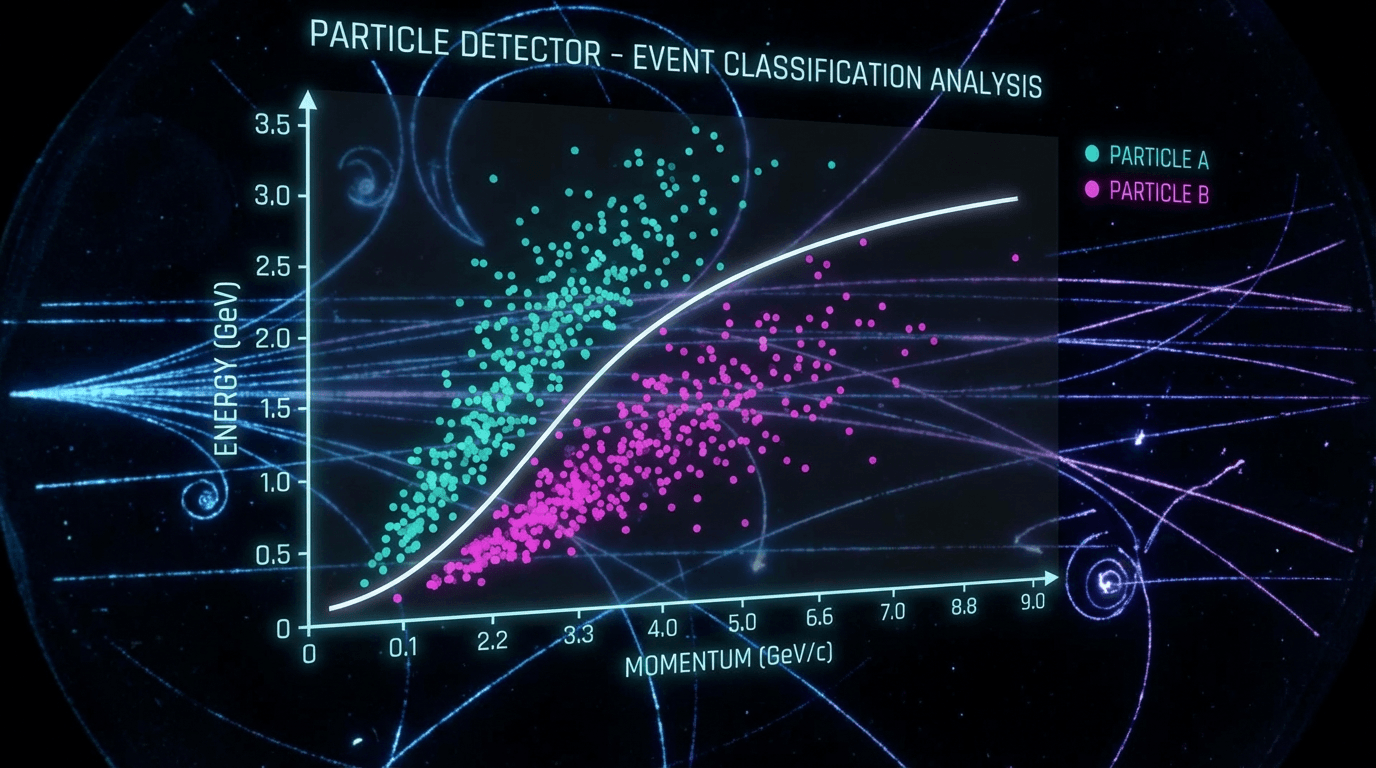
Find patterns in data, predict outcomes, automatically sort and cluster observations, process images for object detection and automatic analysis - count cells, measure samples, classify environmental images. Learn with Python and GenAI coding tools.
Basic coding experience in any language
Modeling and Simulations with Wolfram Mathematica
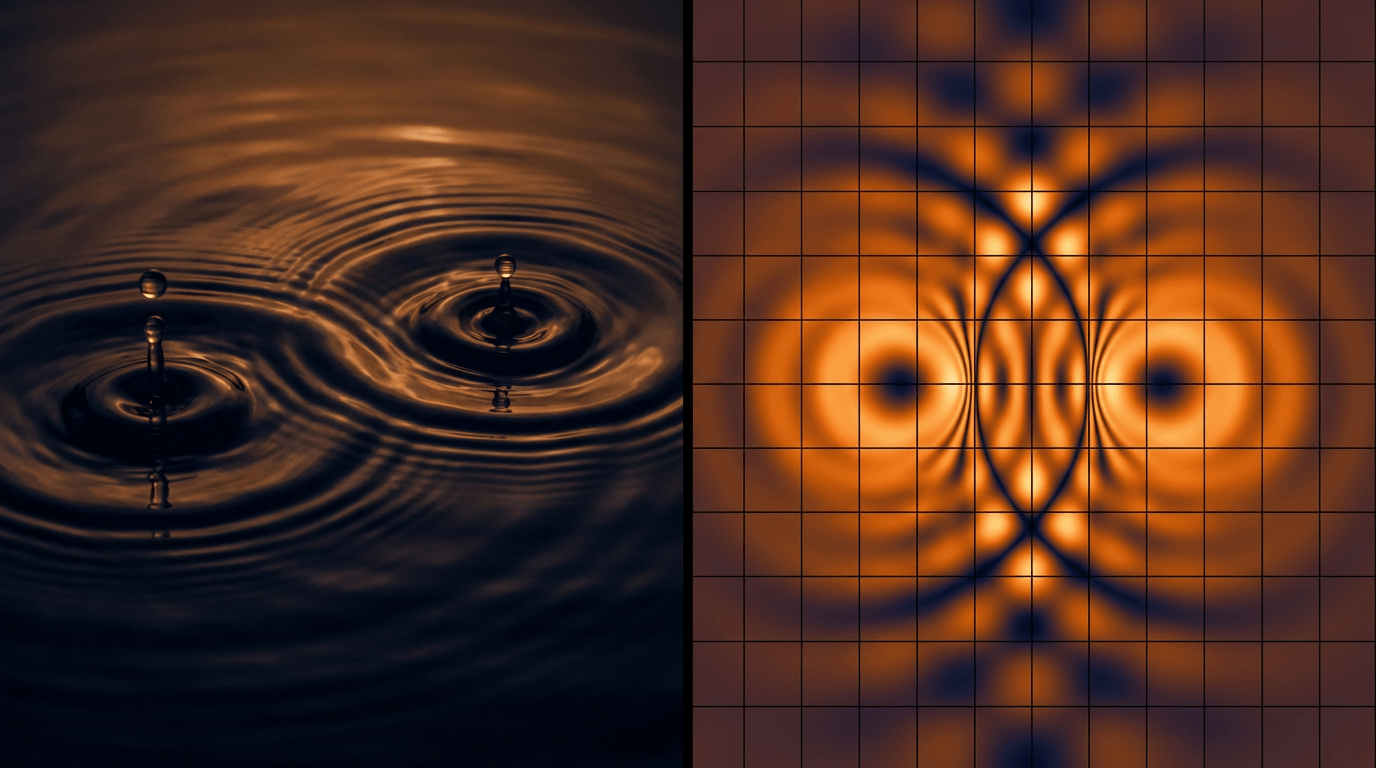
Run advanced simulations, build models, and solve problems symbolically with Wolfram Mathematica without spending a year learning to code advanced computational algorithms. Lowest entry barrier of any serious tool to start getting serious results, yet as powerful as it gets. Used in universities and research labs worldwide.
Basic experience with coding in any language
Research Skills and Research Labs
Research Skills and Research Labs are complementary parts of the SoTS research pathway.
Research Skills focuses on the methods and tools of modern scientific research.
Research Labs give students the opportunity to apply those skills while investigating original research questions.
Students do not need to complete Research Skills before joining a Research Lab. The two programs can be taken independently or together, depending on the student's goals and experience.
Enrollment and Tuition
Tuition
- $7,000per semester
- Program length
- One semester
- Format
- In-Person Princeton, NJ
- Curriculum
- All six Research Skills areas, as one program
Payment and refunds
- Payment is due at enrollment
- Not accepted (no space, prerequisites not met): full refund
- You cancel 1+ week before the start: full refund
- You cancel less than 1 week before: no refund
- Voluntary disenrollment after the start: no refund
- Disenrolled for lack of commitment or conduct: no refund. Parents are contacted before any action is taken.