Research Skills Courses
We offer a collection of focused short courses that equip you with tools and approaches professional scientists use every day.
Short courses teaching practical scientific skills and tools for high school, middle school, and homeschool students. Learn to analyze data with statistics, find patterns with machine learning, run simulations with computational modeling, and work with lab equipment like microscopes and spectrometers. Skills transferable to SoTS Labs, university summer schools, and university labs in the future. Perfect preparation for future research, or to get your current project to the next level.
While SoTS Research Labs focus on semester-long research projects, Research Skills Courses offers short courses to build specific skills typically not found in a curriculum of middle or high schools.
Your Research Journey
Rigorous Methods
Learn the statistical analysis, data visualization, and methodology standards that make research credible. Whether you present at a fair, publish, or simply want to do the work right.
Summer Program Readiness
Arrive at your summer research program prepared instead of spending weeks catching up. Learn the fundamentals so you can focus on the actual research from day one.
Level Up Your Research
Already have a research project? Take it further. Add new analysis methods to your existing data, expand your investigation's scope, or strengthen your methodology for publication or presentation.
GenAI as a Knowledge Partner
GenAI is transforming how scientists work, learn, and conduct valuable research. Learn to use it effectively - for understanding concepts, writing code, interpreting results, and solving problems.
GenAI as a Knowledge Partner
A New Way of Doing Science

GenAI is a new knowledge outlet everyone has to master these days. You can use it efficiently, or you can use it wrongly, as with any advanced tool. Every course uses GenAI as a knowledge partner. Whether you're writing statistical code, understanding microscopy techniques, or interpreting spectroscopy data, GenAI helps you learn faster, understand deeper, and solve problems you couldn't tackle alone.
Short courses won't replace a full-year course in any of the areas covered, and they don't need to. With GenAI as your knowledge partner, you can apply meaningful skills to your research project without years of coursework. Walk away knowing how to apply what you learned to your specific research and critically, how to deepen your knowledge when your project demands it.
Note: when you develop a deeper interest in a particular field, we highly recommend taking a full in-depth systematic course, working through a well-written book, or both.
GenAI subscription not included. Typical cost is around $20/month with any of the top providers.
Courses
Available: Princeton In-Person | Online
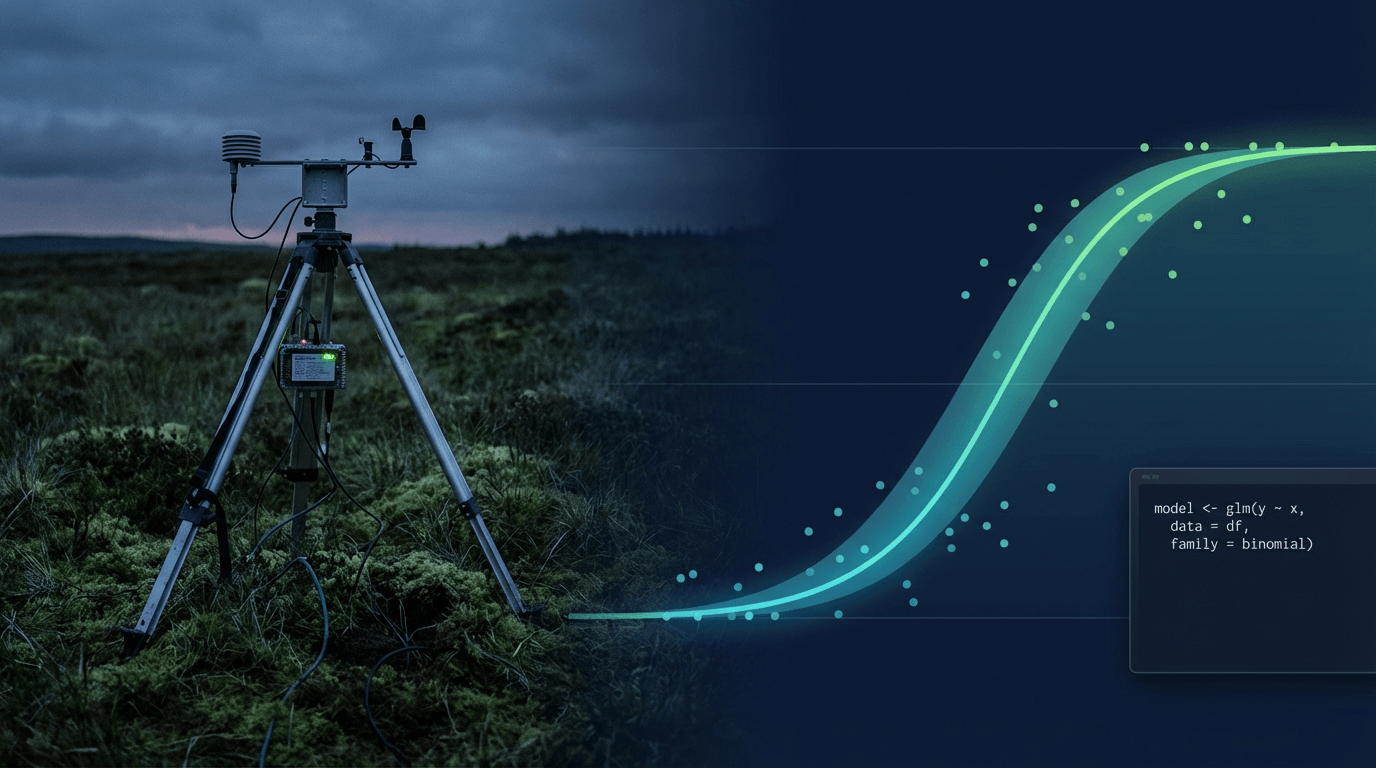
Applied Statistics with R
Your project has data. Now what? Learn to analyze it properly with R and GenAI coding tools - the same approach used in professional research. Walk away with publication-ready charts and statistical analysis that judges actually respect.
Basic statistics concepts (mean, median, standard deviation, distributions). Basic coding experience in any language.
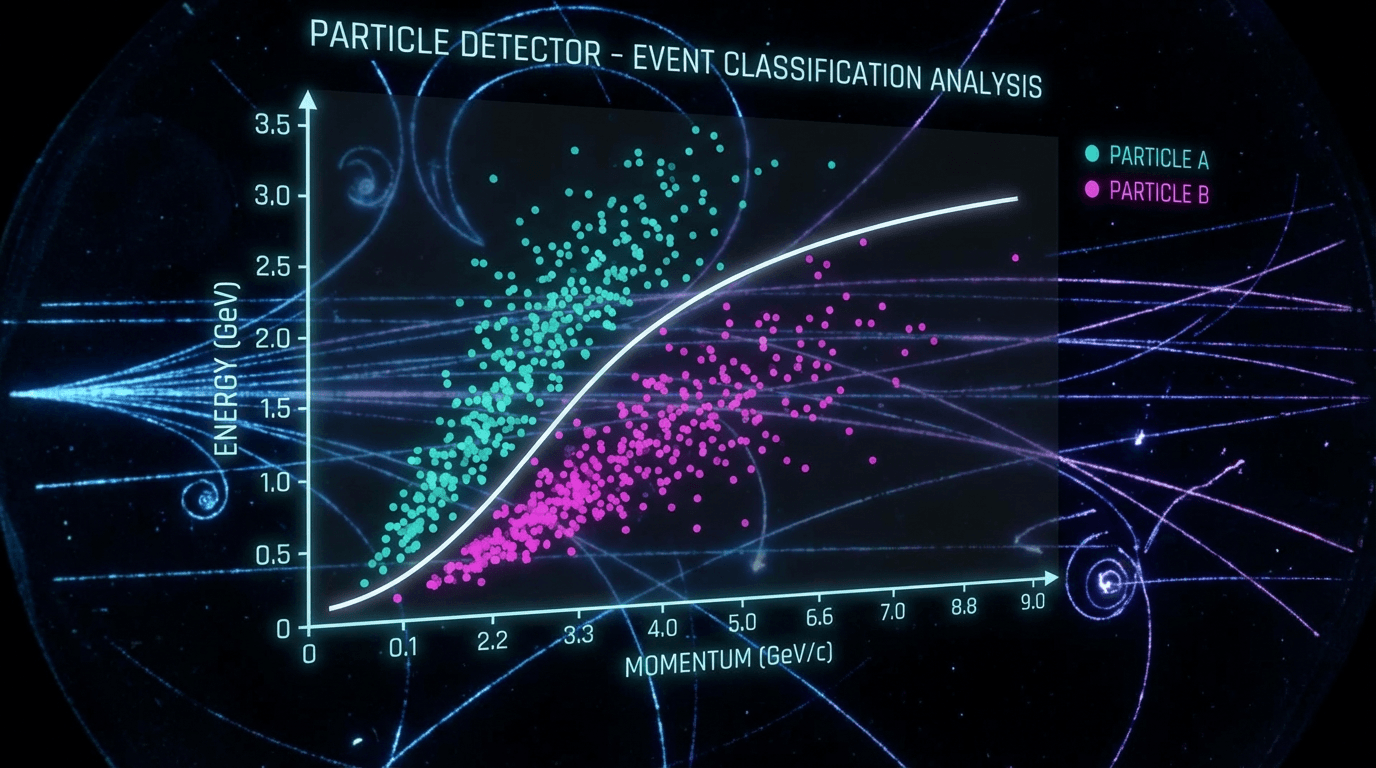
Applied Machine Learning with Python
Find patterns in data, predict outcomes, automatically sort and cluster observations, process images for object detection and automatic analysis - count cells, measure samples, classify environmental images. Learn with Python and GenAI coding tools.
Basic coding experience in any language
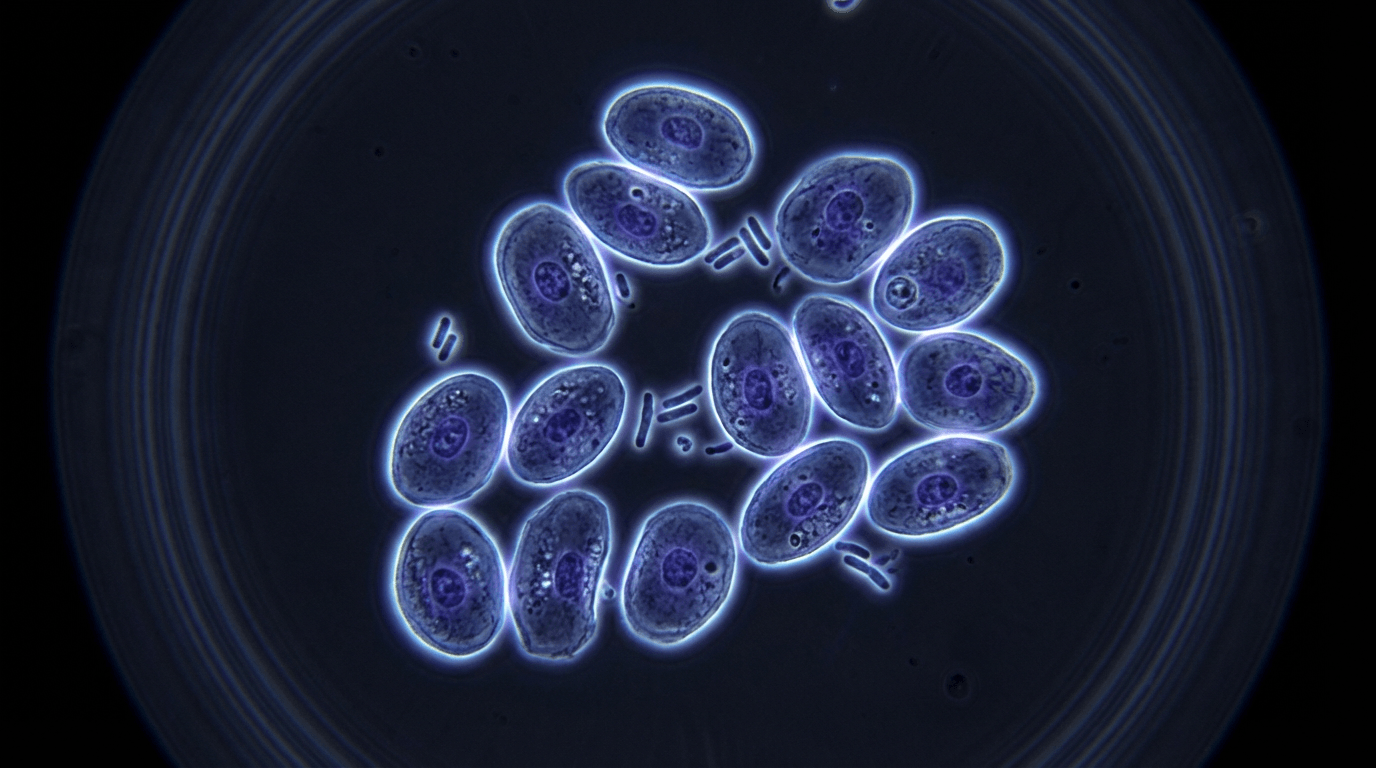
Practical Microscopy
Most school students never get to cover microscopy techniques in depth. Master fundamentals and advanced techniques including contrast methods, resolution limits, and proper illumination. Learn on laboratory-grade microscope with professional optics where you can see the effects of different contrast methods and resolve fine cellular structures. The same class of equipment you'll encounter in university summer programs and research labs.
Basic familiarity with biology or physical science hands-on experimentation
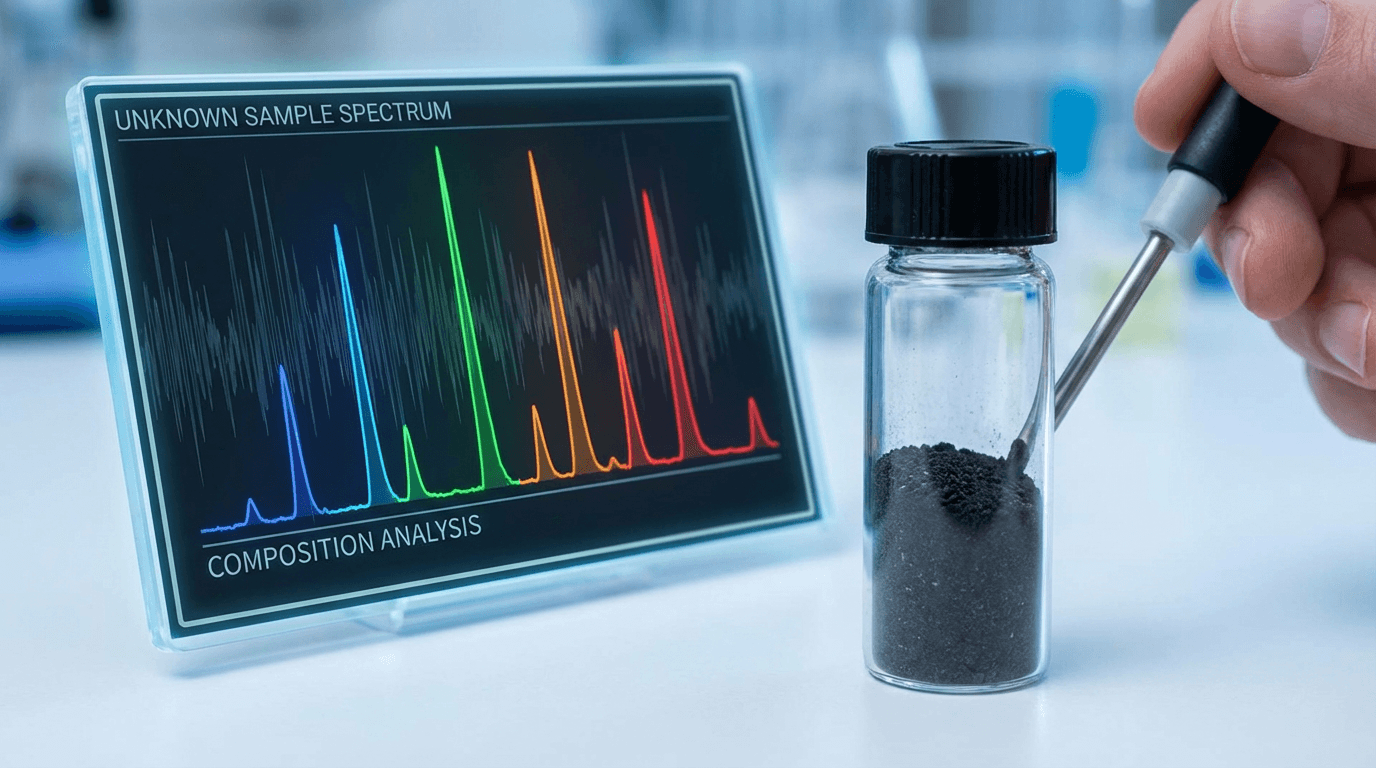
Practical Spectroscopy
Learn how scientists identify what materials are made of. Hands-on with three core techniques: absorption, reflection, and fluorescence spectroscopy. Master material identification, concentration measurements, and data interpretation. Essential foundation for chemistry, physics, biology, and environmental science projects. Learn on the same type of equipment used in university research labs.
Basic optics concepts (light, wavelength, electromagnetic spectrum)
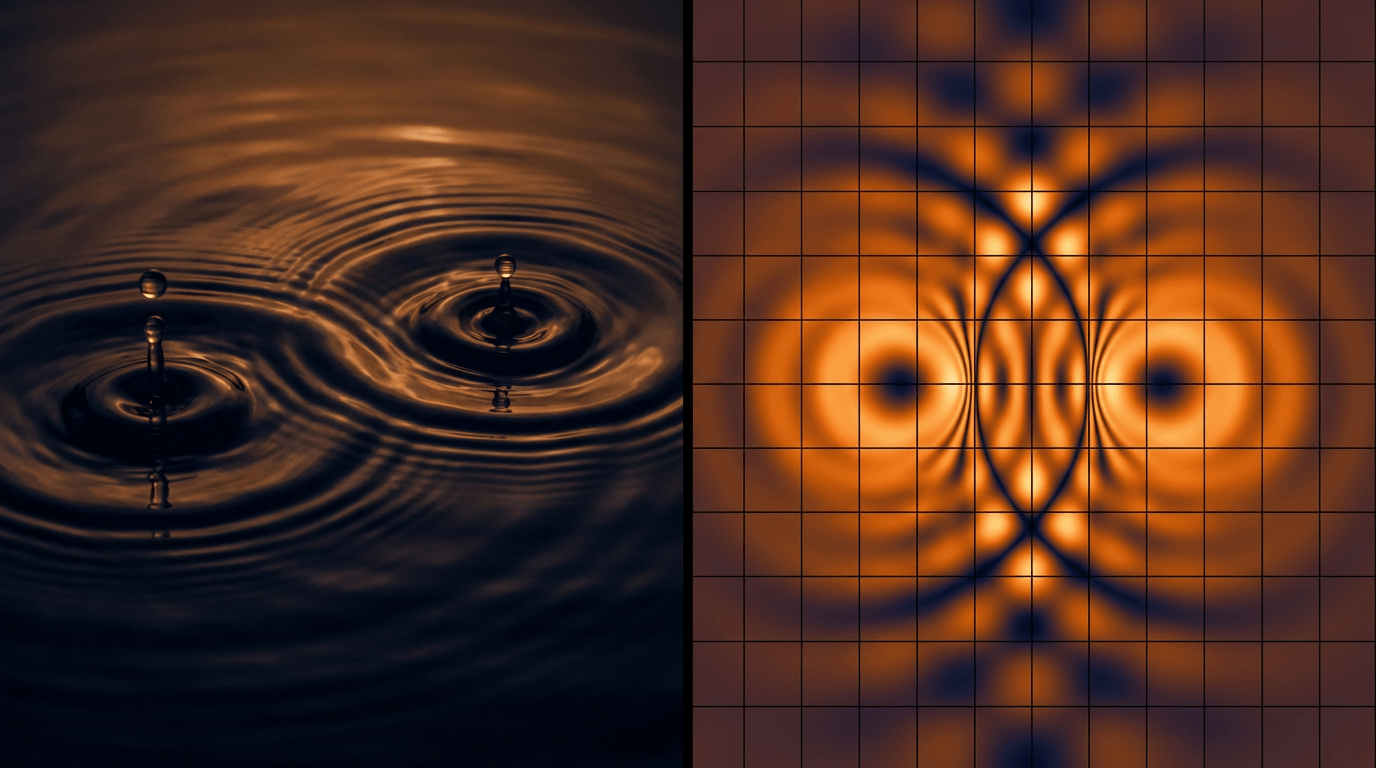
Modeling and Simulations with Wolfram Mathematica
Run advanced simulations, build models, and solve problems symbolically with Wolfram Mathematica without spending a year learning to code advanced computational algorithms. Lowest entry barrier of any serious tool to start getting serious results, yet as powerful as it gets. Used in universities and research labs worldwide.
Basic experience with coding in any language
Format
- 4-week courses
- We meet once a week for 1.5 hours on weekday evenings after school
- Independent work expected: Students work on material between sessions to reinforce learning and prepare for the next class
- Up to 5 students per group
- Prerequisites: Apply to join the next cohort. Tell us why you're interested and share your background. We need to ensure you're ready for the material. The more you know in the relevant area, the more you will take away from the course.
- When: Cohorts start at the beginning of a month during the academic year.
- Where: In-person (central Princeton) or online via Zoom
Cost and Refund Policy
- Pay in full at enrollment
- Cohort doesn't form within a month: full refund
- Voluntary disenrollment: no refund
- Disenrolled for lack of commitment or conduct issues: no refund
Info and Enrollment
Book a call to learn more, or email team@teenscientists.org to enroll in upcoming cohort.