Managing Team
The Society of Teen Scientists is owned and operated by Authentic Research Partners LLC. Based in Princeton, New Jersey, we are a diverse team of professionals with extensive experience in scientific research, high school science education, education leadership, artificial intelligence, and technology entrepreneurship.
📍 Princeton, New Jersey
1
1
Se
Sergey Samsonau, PhD
Co-Founder & Academic Director
Dr. Samsonau brings two decades of expertise across scientific research, research education at all levels from middle school to graduate school, and industry R&D in AI, data science, and finance. His innovations in education over the years are enabling authentic research mentoring to scale to every talented student.Read full profile →
Dr. Samsonau brings two decades of expertise across scientific research, research education at all levels from middle school to graduate school, and industry R&D in AI, data science, and finance. His innovations in education over the years are enabling authentic research mentoring to scale to every talented student.Read full profile →
Born and raised in Belarus
3
3
Ma
Matthew Pearce
Strategic Advisor
Matthew has over 30 years of experience advancing research-based education at some of the world's leading high schools: Latymer Upper School, Thomas Jefferson High School for Science and Technology, and the Princeton International School of Mathematics and Science. A pioneer in bringing authentic research into secondary education, he has mentored countless students who went on to excel in science, engineering, and innovation.
Matthew has over 30 years of experience advancing research-based education at some of the world's leading high schools: Latymer Upper School, Thomas Jefferson High School for Science and Technology, and the Princeton International School of Mathematics and Science. A pioneer in bringing authentic research into secondary education, he has mentored countless students who went on to excel in science, engineering, and innovation.
Born and raised in UK
4
4
Lu
Dr. Luke Perkins
Strategic Advisor
Dr. Perkins brings 30 years of experience in R&D program management and technology commercialization from Schlumberger and the Princeton Plasma Physics Laboratory. A prolific inventor with 21 patents and more than 100 invention disclosures, he led programs such as PPPL's $27M FLARE fusion facility and now guides our mission to teach students the research methods used to create first-of-a-kind technologies in industry and national labs.
Dr. Perkins brings 30 years of experience in R&D program management and technology commercialization from Schlumberger and the Princeton Plasma Physics Laboratory. A prolific inventor with 21 patents and more than 100 invention disclosures, he led programs such as PPPL's $27M FLARE fusion facility and now guides our mission to teach students the research methods used to create first-of-a-kind technologies in industry and national labs.
Born and raised in USA
Our Story
Origins
When the space era began with the first manmade satellite, several conditions aligned in the Soviet Union. Scientists commanded extraordinary prestige. State resources flowed to education. The Academy of Sciences could coordinate across vast geography.
And deep educational traditions had converged over generations. German gymnasium seminars. French grandes écoles problem-solving. Russia's own rich mathematical culture. A homegrown tradition of hands-on technical education — Della-Vos's methods, recognized internationally in the 1870s and adopted by MIT, reshaping American engineering education into what became the world's strongest. World-class scientists trained across Europe who brought those approaches back and merged them with Russia's own traditions.
In these conditions, one of the most important experiments in high school education of the century began. In the 1960s, for the first time at national scale, the depth of university-level scientific training was systematically extended to secondary school students — not as enrichment, but as the core of their education.
The result was a coordinated national network of specialized physics-mathematics schools. Not a single experimental school, but a system: boarding schools drawing students from entire regions, city day schools with distinct approaches, all connected through the Academy of Sciences, fed by national olympiads identifying talent across 11 time zones. Nuclear physicist Isaak Kikoin and mathematician Andrey Kolmogorov designed the curriculum. Mathematician Israel Gelfand brought university mathematics directly into the classroom. Physicist Pyotr Kapitsa championed Kvant, a journal that extended this culture to hundreds of thousands of students nationwide. A dedicated library of textbooks and problem collections was developed specifically for these students.
The approach was rigorous: problem-solving seminars using discovery-based methods, hands-on work in institute-grade laboratories, computational training, direct mentorship by working scientists. Students didn't just learn physics — they lived inside a scientific culture.
By the late 1970s, this foundation gave rise to something new. In 1979, physics educator Evgeny Yunosov created the Tournament of Young Physicists — recognizing that neither olympiads nor study circles taught students how to do research. The tournament gave students genuinely open problems with no known solutions, months to investigate, and required them to defend their findings in scientific debates where the physics mattered more than who was speaking. It went international in 1988 as the IYPT.
The ideas spread. British educators, observing Soviet methods, launched the Nuffield Science Teaching Project on similar principles.
This system and its evolution have produced Fields Medalists, Nobel laureates, and generations of scientists, engineers, and tech founders who shaped modern science and technology.
Dr. Samsonau was trained in this tradition in Belarus.
2015–2018
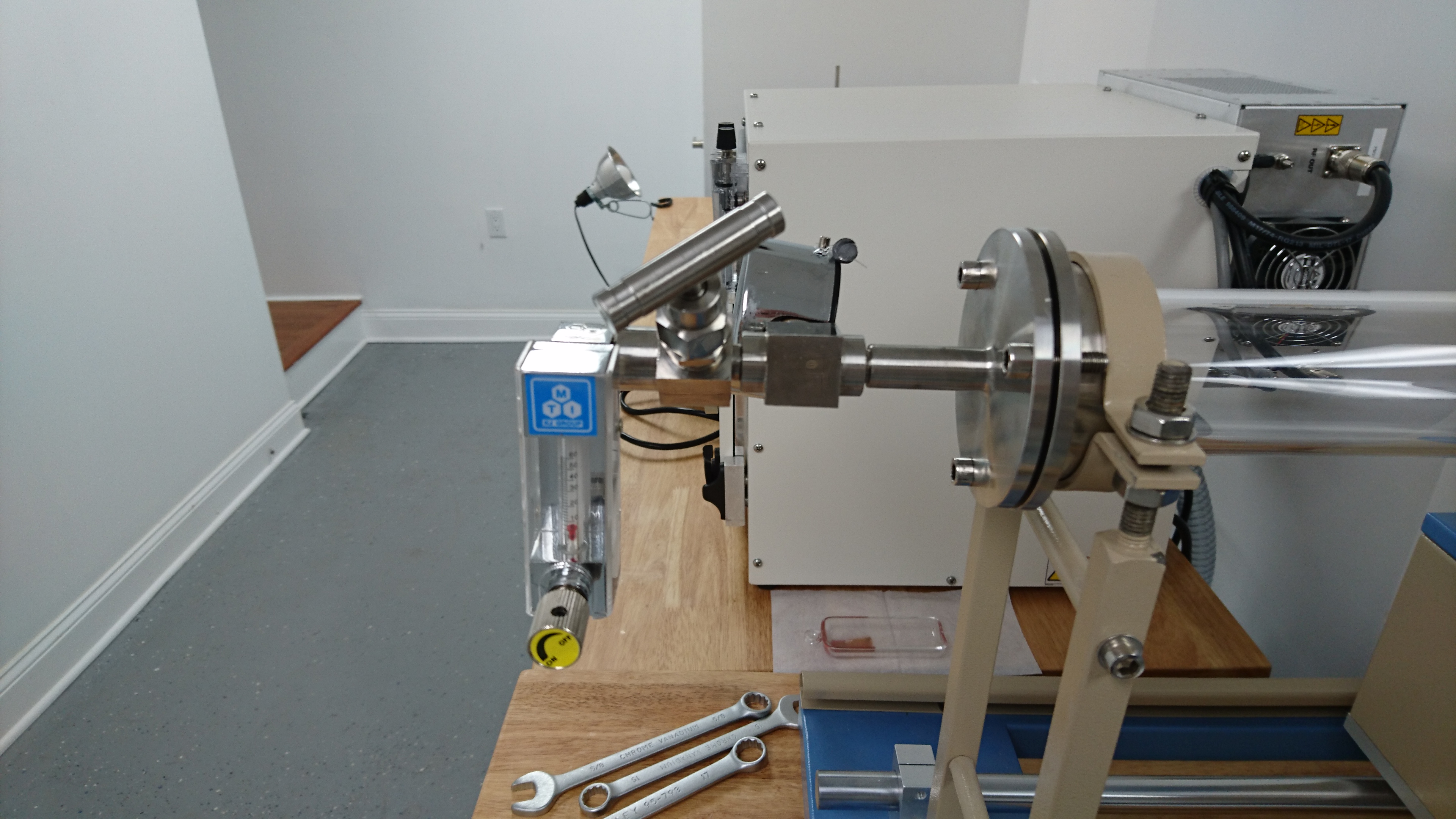
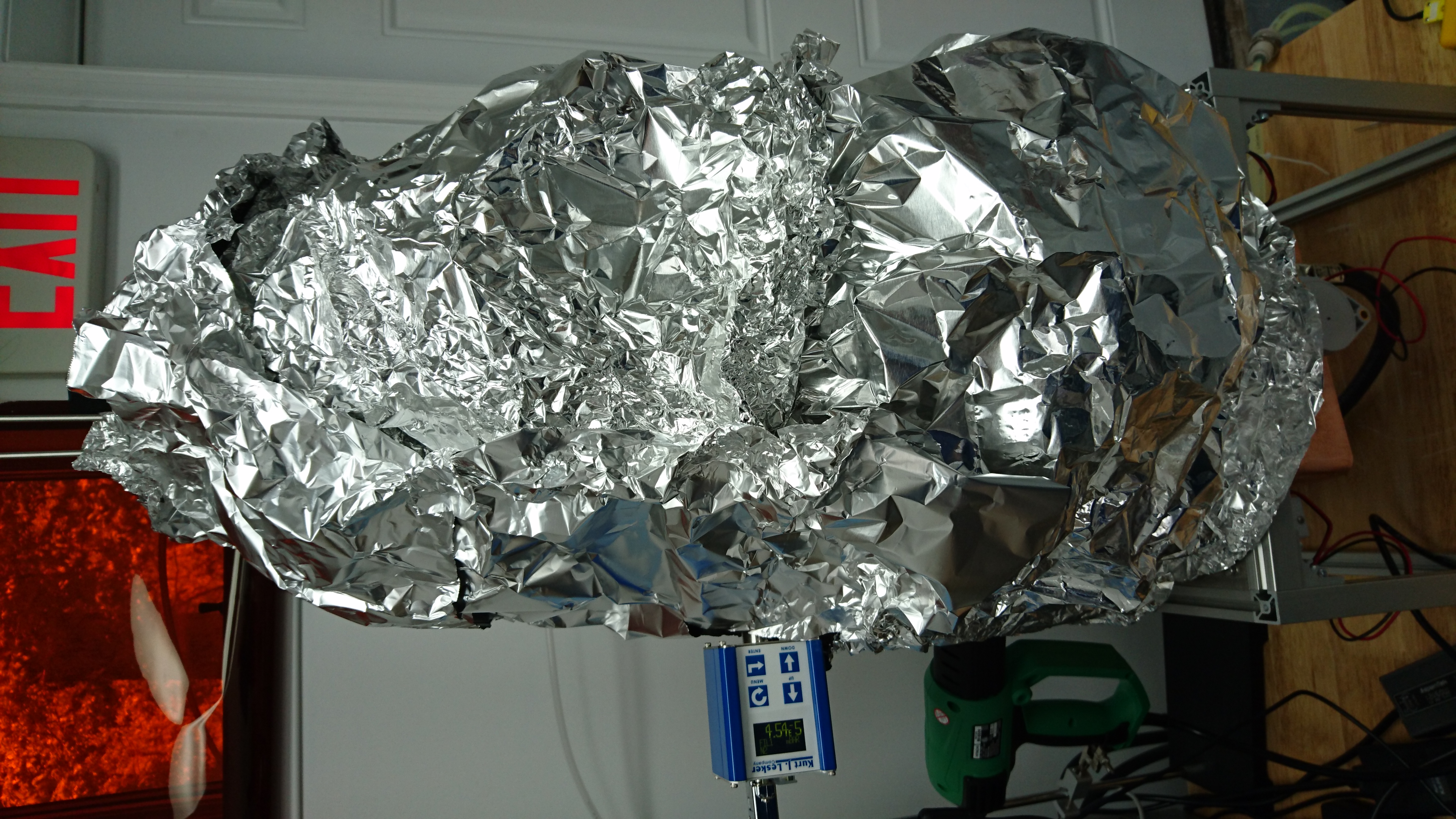
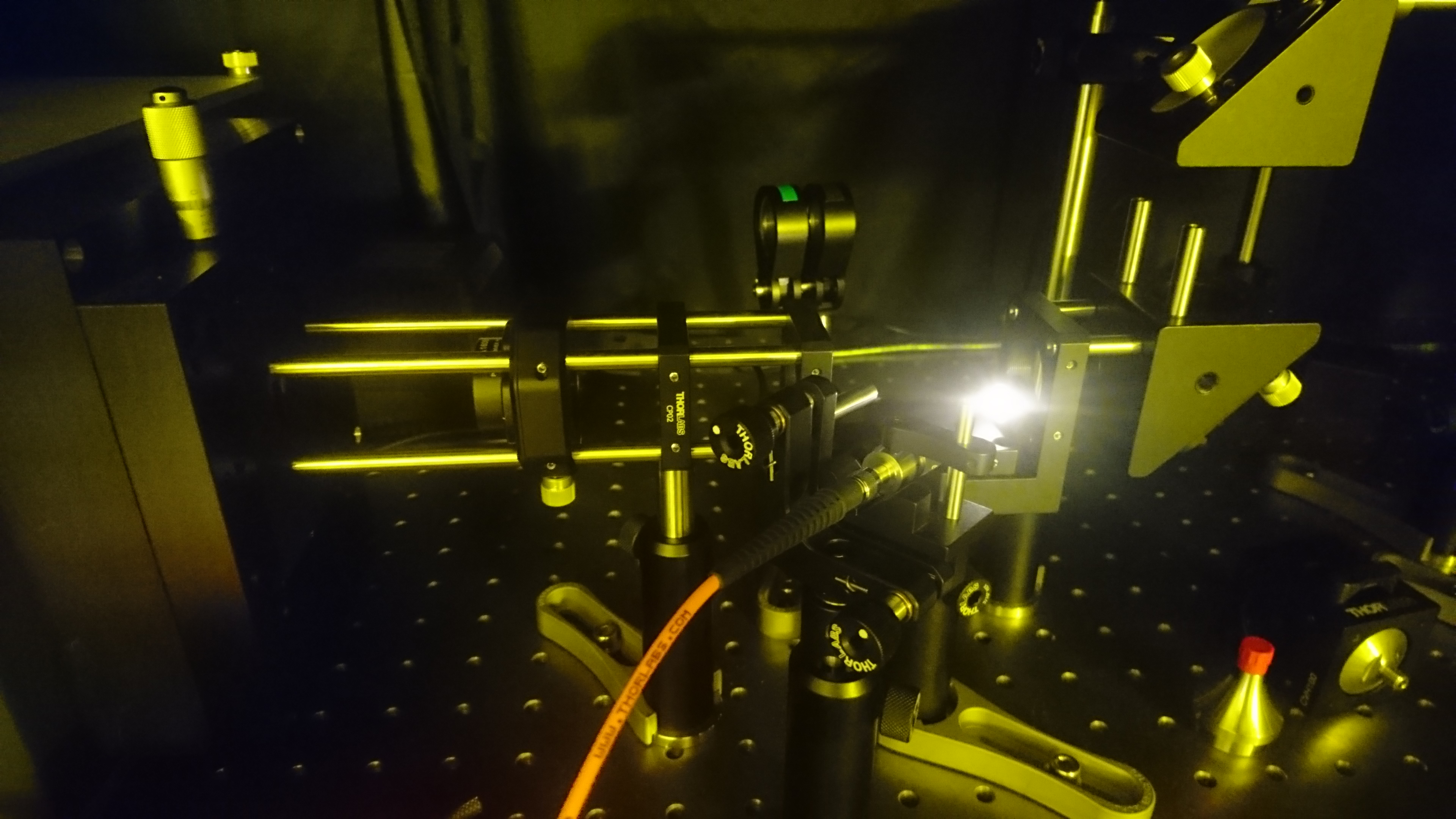
At PRISMS in Princeton, Dr. Samsonau brought this methodology to an American school context. Set up labs and led research in Nanotechnology and Data Science. Brought professional-level Data Science education to high school. Co-led one of the strongest IYPT teams in the USA — the International Young Physicists Tournament, a competition like no other, where students work on deep, open-ended research problems for months.
The methodology worked in the American context. Students thrived. Published approaches demonstrating how to bring authentic research practices into regular classrooms.
- IEEE Conference paper (2018) - Integrating authentic research in high schools
- IOP Science paper (2018) - Blending computation and experimentation in school labs
2019–2025
The methodology worked. Students thrived. But there was a problem: it couldn't scale. One mentor could only guide a handful of students doing real research. Expensive labs were required. How do you reach hundreds? Thousands?
At NYU, Dr. Samsonau founded the AI for Scientific Research group to solve this bottleneck. Not by diluting the methodology, but by reimagining the structure. What if students worked in teams on real projects for external researchers? What if the mentor role became orchestrating collaboration rather than one-on-one guidance? The result: mentor capacity increased at least 5-fold while students actually benefited more from peer learning and authentic scientific work.
Over 100 students went through the program. The framework was published and refined. And now the next question has emerged: could this approach work outside a university setting? Could it reach motivated teenagers before college?
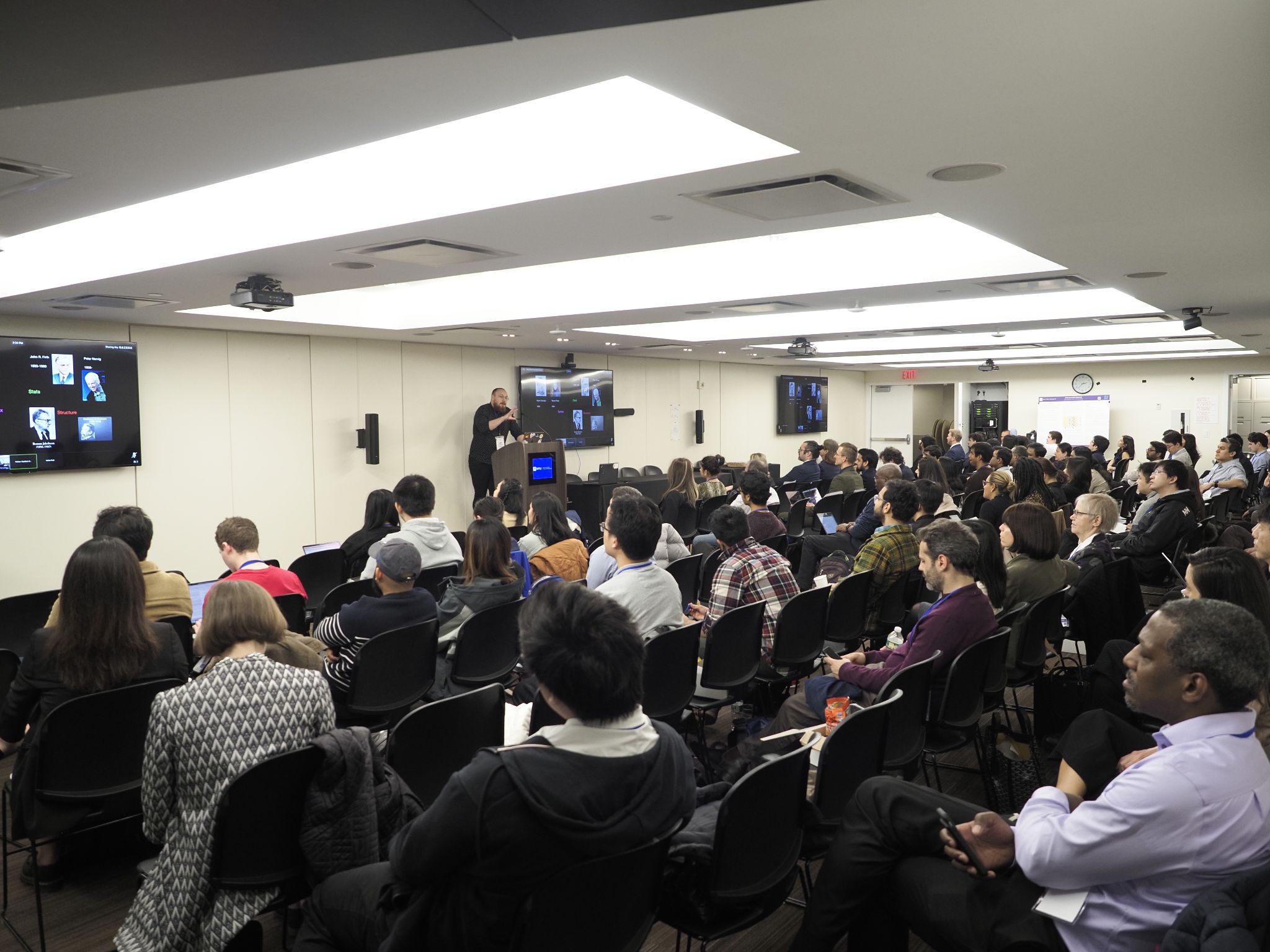
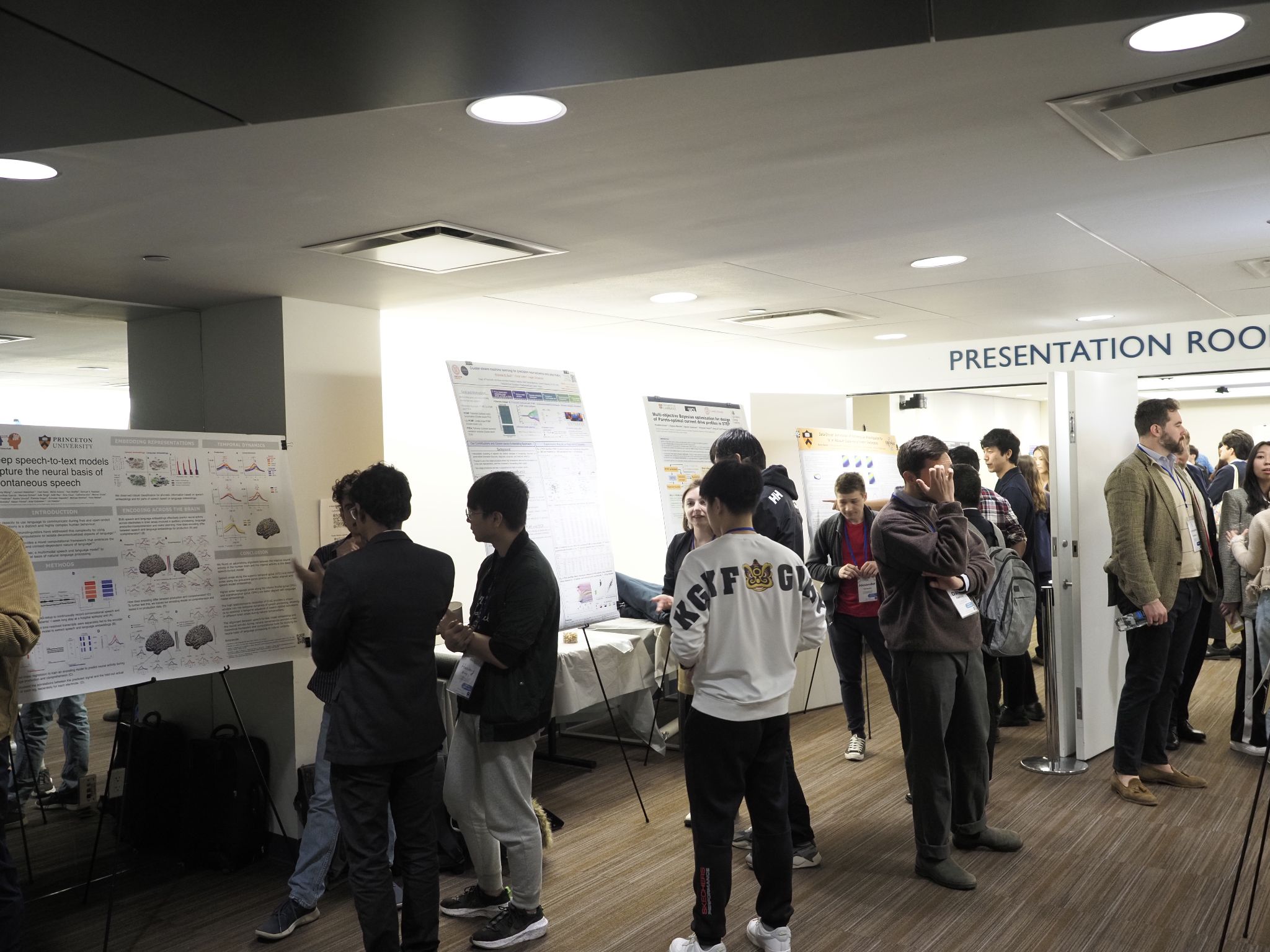
NYC metro area AI Meets Science Conference organized by Dr. Samsonau →
2025 and beyond
Now it was time to build an organization that could bring this proven approach to motivated teenagers in scalable form.
Together with Olga Vine, and with strategic advisement from Matthew Pearce and Dr. Luke Perkins, we established the Society of Teen Scientists.
The future of science education is happening
here and now