YouTube Channel
Videos come from the SoTS team and from SoTS members working in any science.
Who can submit
The channel publishes work by SoTS members. The editorial team reviews a video the way it reviews a magazine pitch, and there is no fee at any stage.
A member can have their own playlist on the channel, or add to a shared one. Ask for a playlist in the same email you send the video.
What to send
- Put the video file and one text file in a single Google Drive folder.
- In the text file, give us:
- The title, as it should appear on YouTube.
- The description for the YouTube page.
- Whether AI was used, and for what: script, narration, voice, images, or editing. Tell us even if it was only part of the work.
- Credit for anything you did not make yourself. List every image, clip, and piece of music with its source and its license, for example a public domain NASA image. If everything in the video is your own, give us a short statement of originality instead.
- Share the folder so that anyone with the link can view it. If we cannot open it, we cannot review it.
- Email the folder link to editor@teenscientists.org from the address on your membership.
Rights and license
You keep the copyright to your video. Publishing here gives us permission to put it on the channel and keep it there; it is not exclusive, so you are free to post the same video elsewhere. Videos go up under YouTube's standard license, which means viewers can watch and share the link but do not get a blanket right to reuse your footage. That differs from the magazine, where written work is open access under Creative Commons.
Playlists
Surely, You're Joking, Mr. Physicist
Real physics that sounds like a joke at first glance, and simple questions that turn out to have no tidy answer.
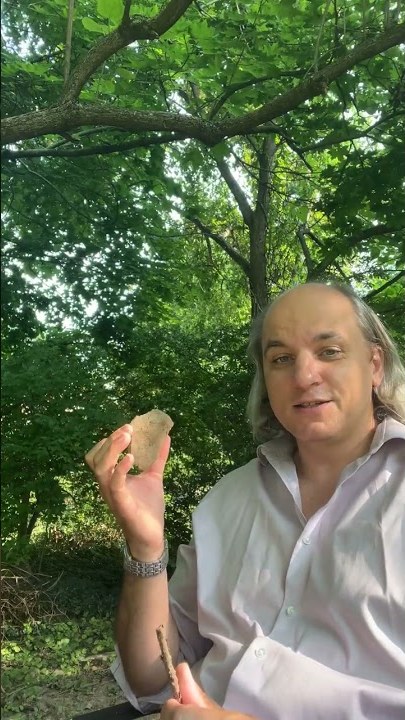
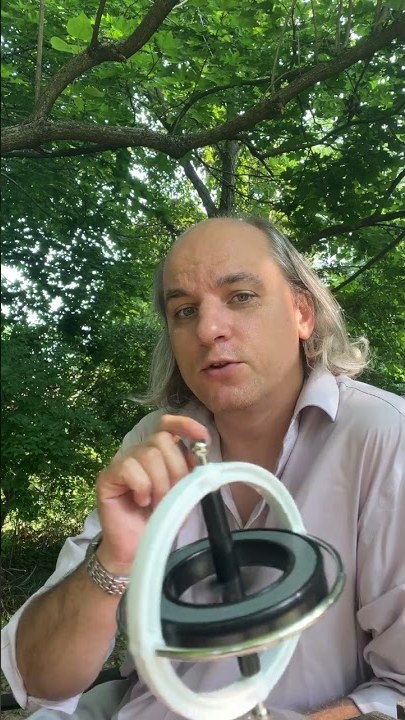
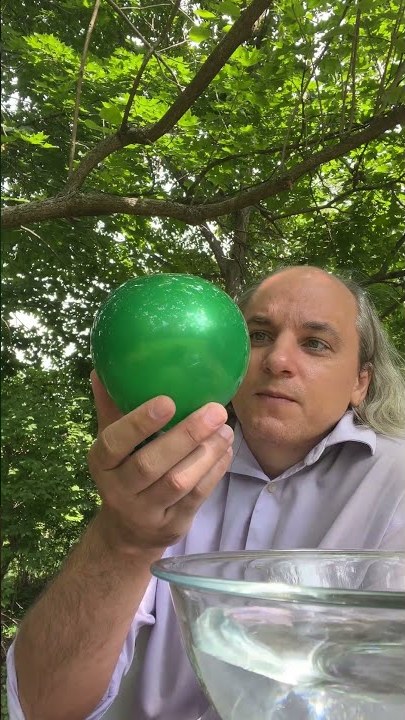
Physics Experiments at Home
Physics experiments you can run at home, with household items, things you find outdoors, and objects you make yourself. Where a little equipment helps, it is the relatively inexpensive kind, from suppliers like Flinn, Arbor Scientific, or eBay.

SoTS Insights
Perspectives from the Society of Teen Scientists on how real science and real research actually work, and how talented teenagers learn to do them.

Curious Mind Path
Considerations and practical pointers on the path into real science: how to begin before you know enough, how to read something written above your level, how to choose what deserves your attention. Some of it comes from scientists whose names you know, some from years of teaching students who were trying to do exactly this.
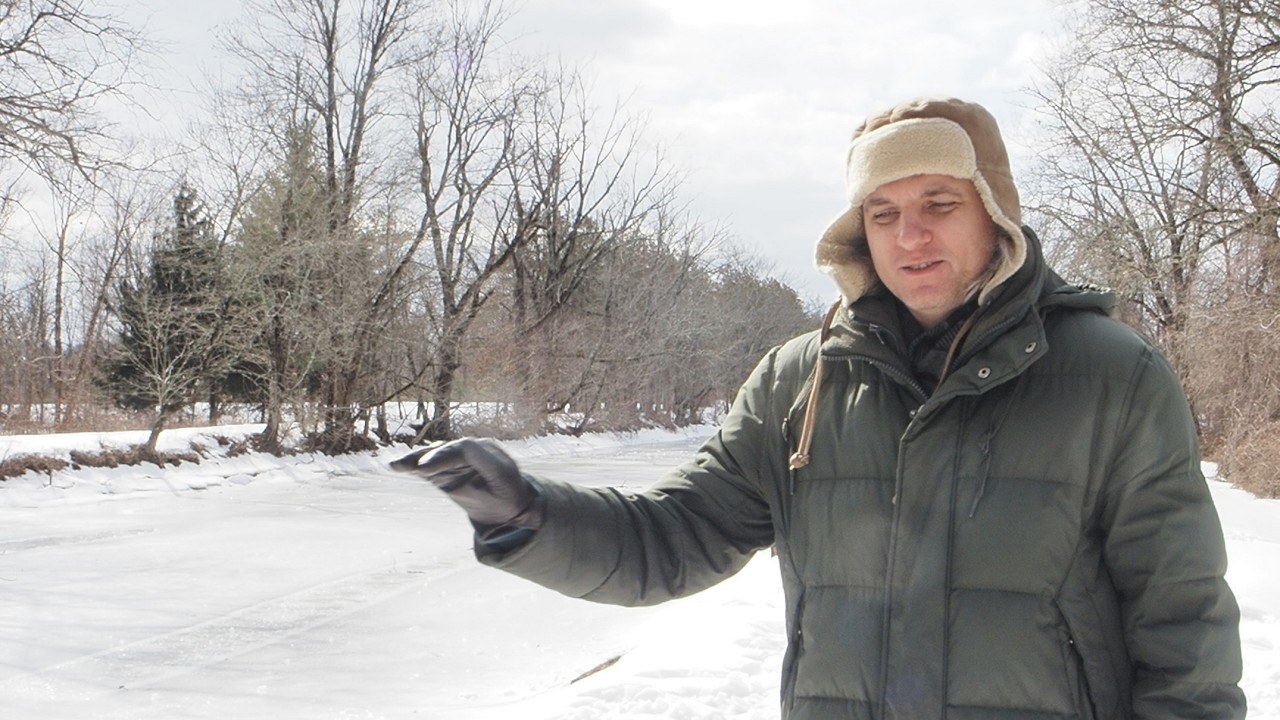
The Power of Physics Imagination
Physics starts with a question about something you see every day. A falling elevator. A coin on a train. A piece of snow. We take that question seriously. Think it through. See where it leads. No memorization. No shortcuts. Just the habit of figuring things out from what you already know.