Alpaca French
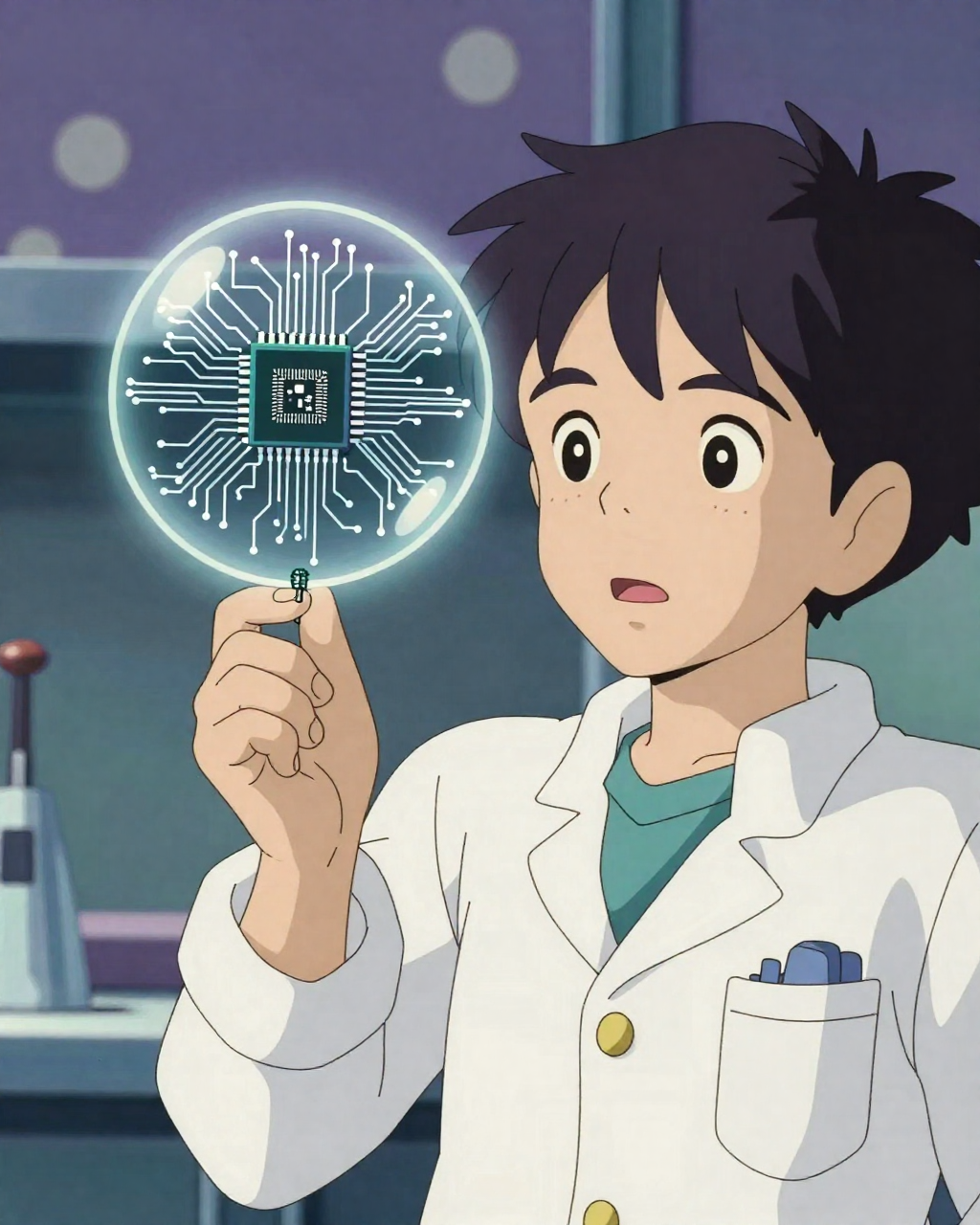
Carved by a Light Too Fat to Carve It
A transistor is smaller than the wavelength of light used to print it. The physics says that should be impossible. Here is how chipmakers route around every clause of the law that forbids it.
A science magazine by and for middle school, high school, and homeschool students
Want updates? Follow us on Instagram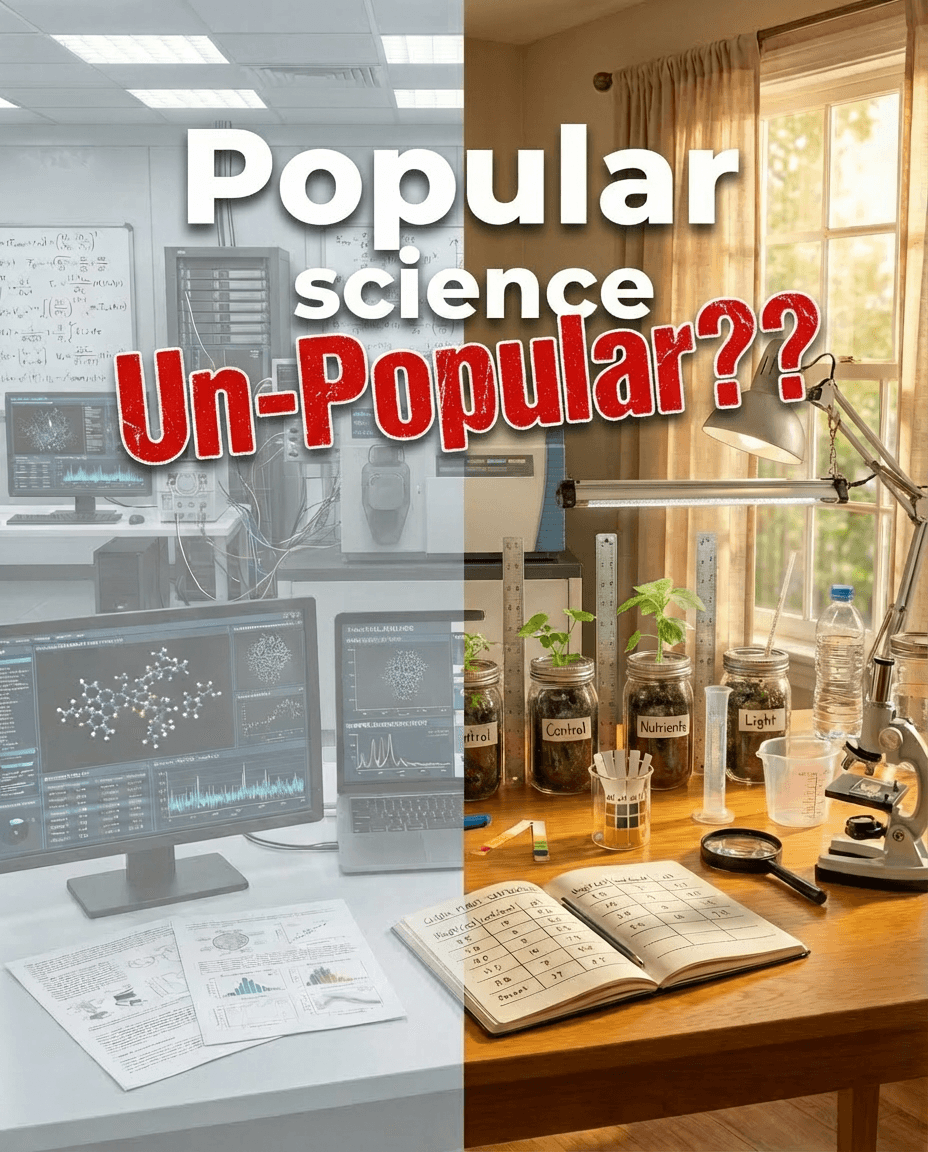
The science running underneath everyday things, explained
Tap to learn moreWhy the sky turns the colors it does at sunset. What is actually happening inside a battery, a cloud, a muscle. How a technology you use every day works once you look past the marketing. Take something ordinary, show the physics, chemistry, or biology running underneath it, and leave the reader seeing it differently.
Tap to flip back
Essays, opinion pieces, interviews, research stories
Tap to learn moreThe story of how you almost gave up on your project and what made you keep going. An interview with the scientist who changed how you see the world. Your take on why everyone is wrong about a topic you care about. The moment everything clicked and you finally understood something beautiful.
Tap to flip back
Grounded sci-fi, speculative futures, creative writing
Tap to learn moreStories about worlds shaped by the science you are working on. Futures you hope for or fear. Characters wrestling with discoveries that change everything. Fiction that starts with "what if this thing I discovered is actually true?"
Tap to flip backPopular science explainers, essays, opinion pieces, interviews, research stories, and science fiction. Work should be clear, engaging, and accessible to a scientifically literate audience. Formal academic tone is not required, but intellectual rigor and factual accuracy are. Science art, music, and comedy have their own contests at our annual conference.
The magazine publishes work by SoTS members. Membership is earned through a fit evaluation, and once you have it, publishing here costs nothing.
Before you submit a finished piece, email a short pitch to editor@teenscientists.org describing what you want to write and why it matters to teen scientists. Include an estimated length (typically 800-2000 words).
Our editorial team reviews pitches within 5-7 business days. If approved, you will receive instructions to submit your full piece. Citations should follow APA format where applicable. There is no fee at any stage.
Everything we publish is open access under a Creative Commons BY 4.0 license. You keep the copyright to your work. Anyone may read, share, and build on it as long as they credit you. Submitting means agreeing to publish on those terms.
World of Teen Science is waiting for your articles, essays, and stories. Your voice belongs here. The magazine publishes work by SoTS members, and there is no submission or publication fee. Questions? Reach out at editor@teenscientists.org.
Showing 13 articles
A transistor is smaller than the wavelength of light used to print it. The physics says that should be impossible. Here is how chipmakers route around every clause of the law that forbids it.

What economists found when they tested the Ivy League promise, and what it means for you
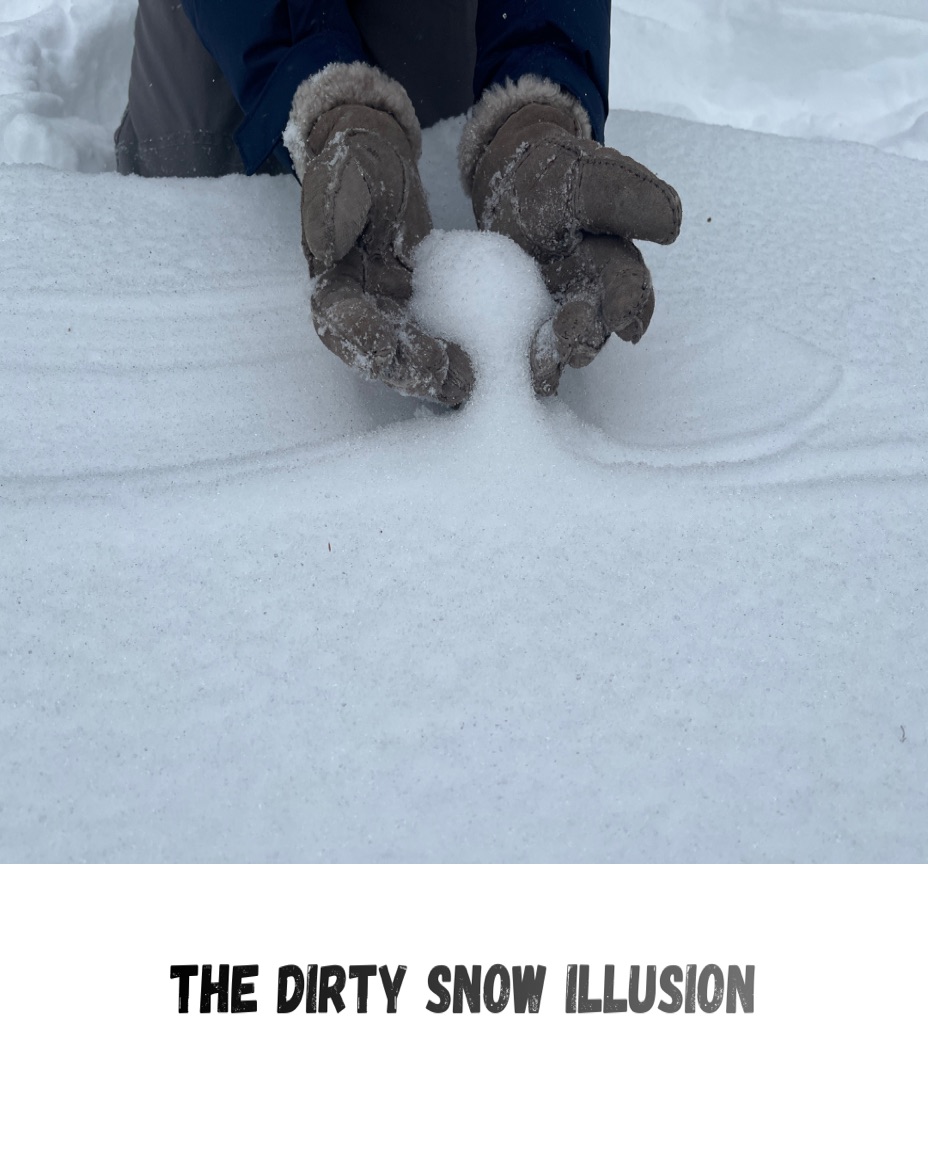
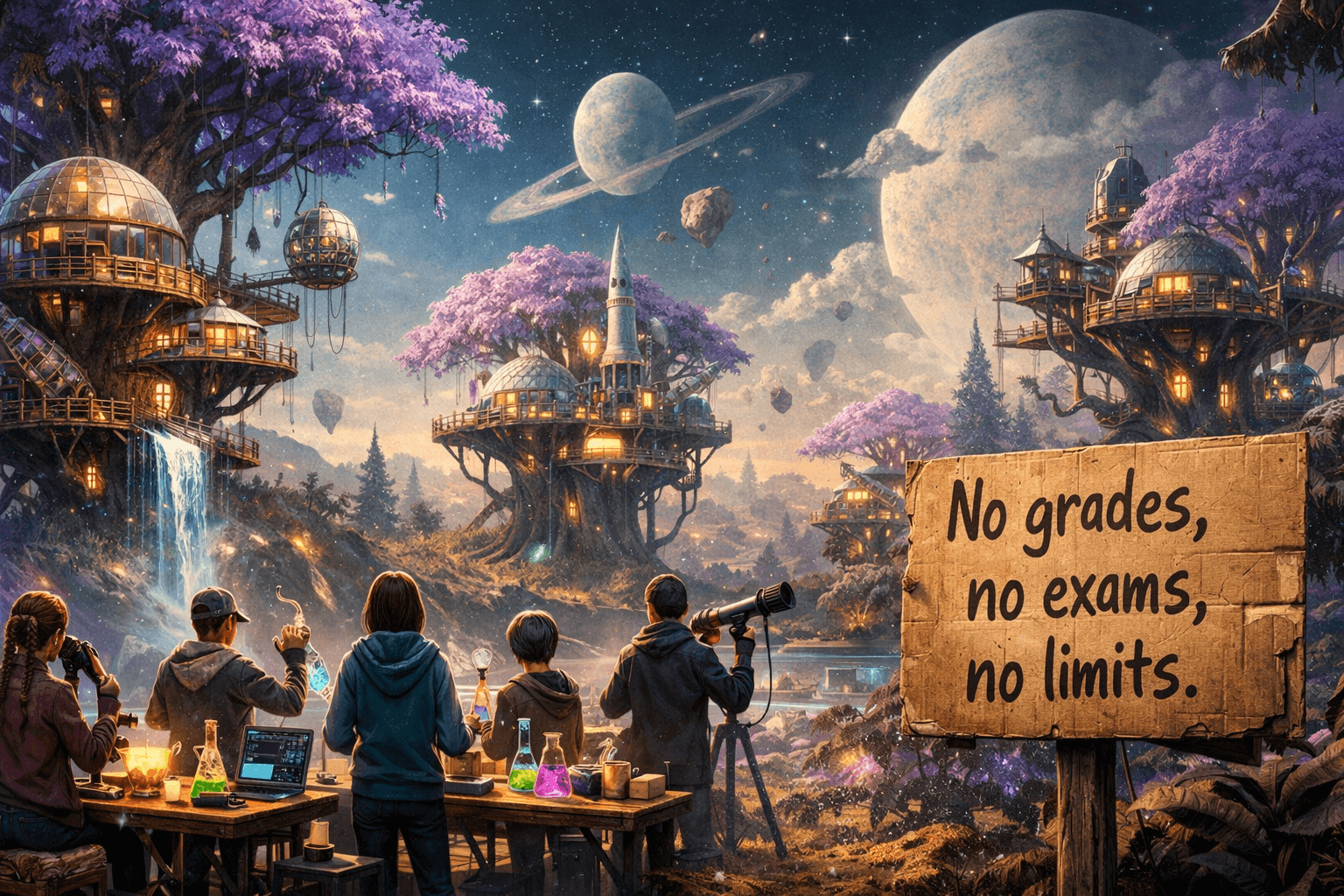
A tale of teen scientists, stolen schematics, and a moss-green planet called Vesper
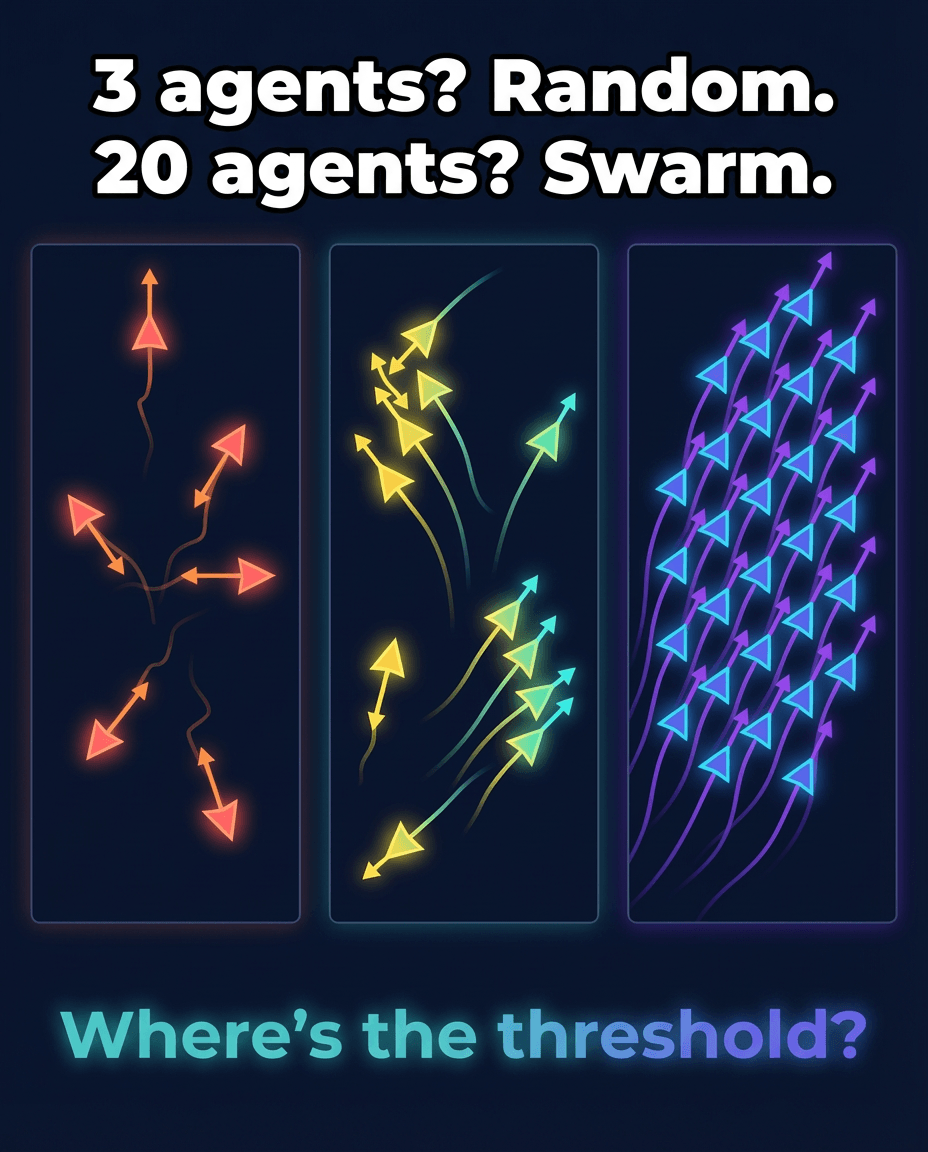
Three agents align. Add one more. Does something fundamentally change?
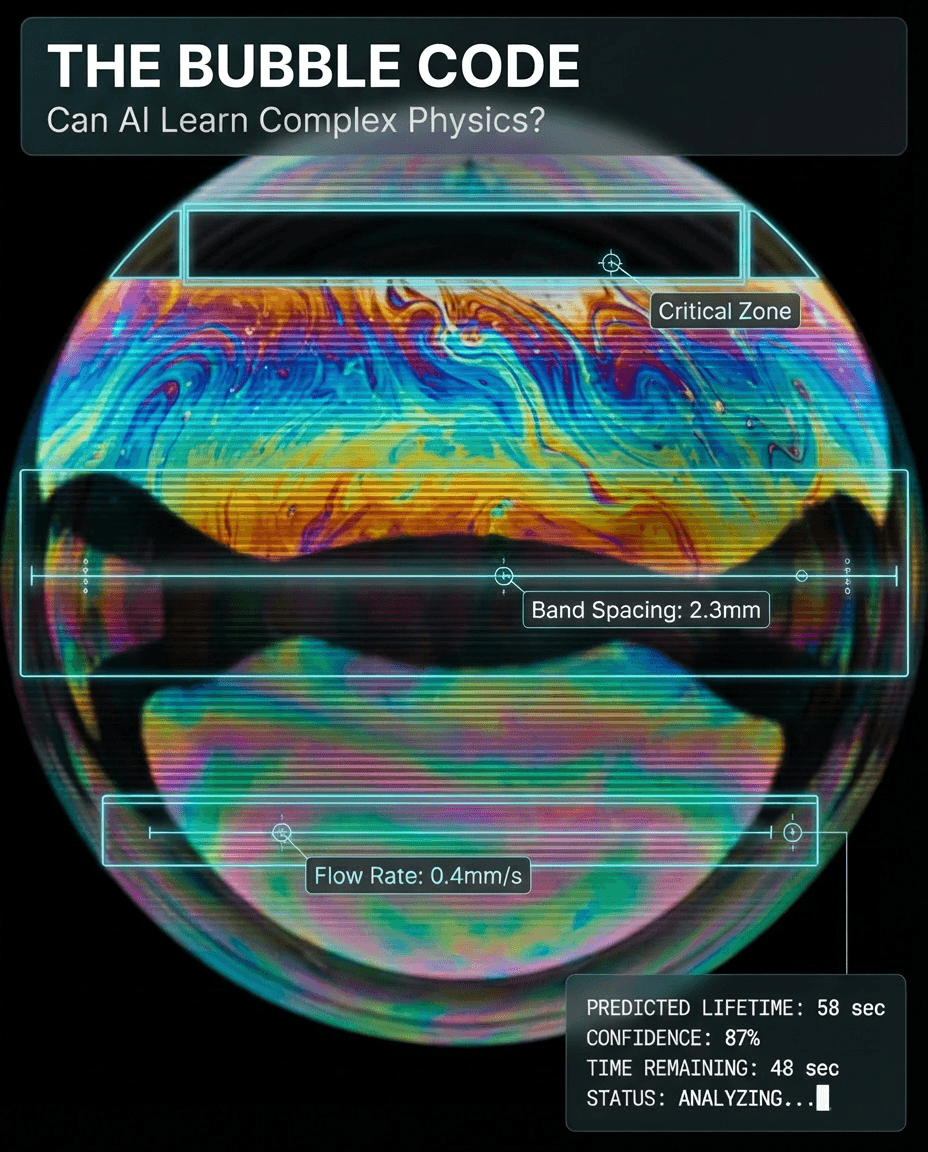
Where messy reality meets machine learning
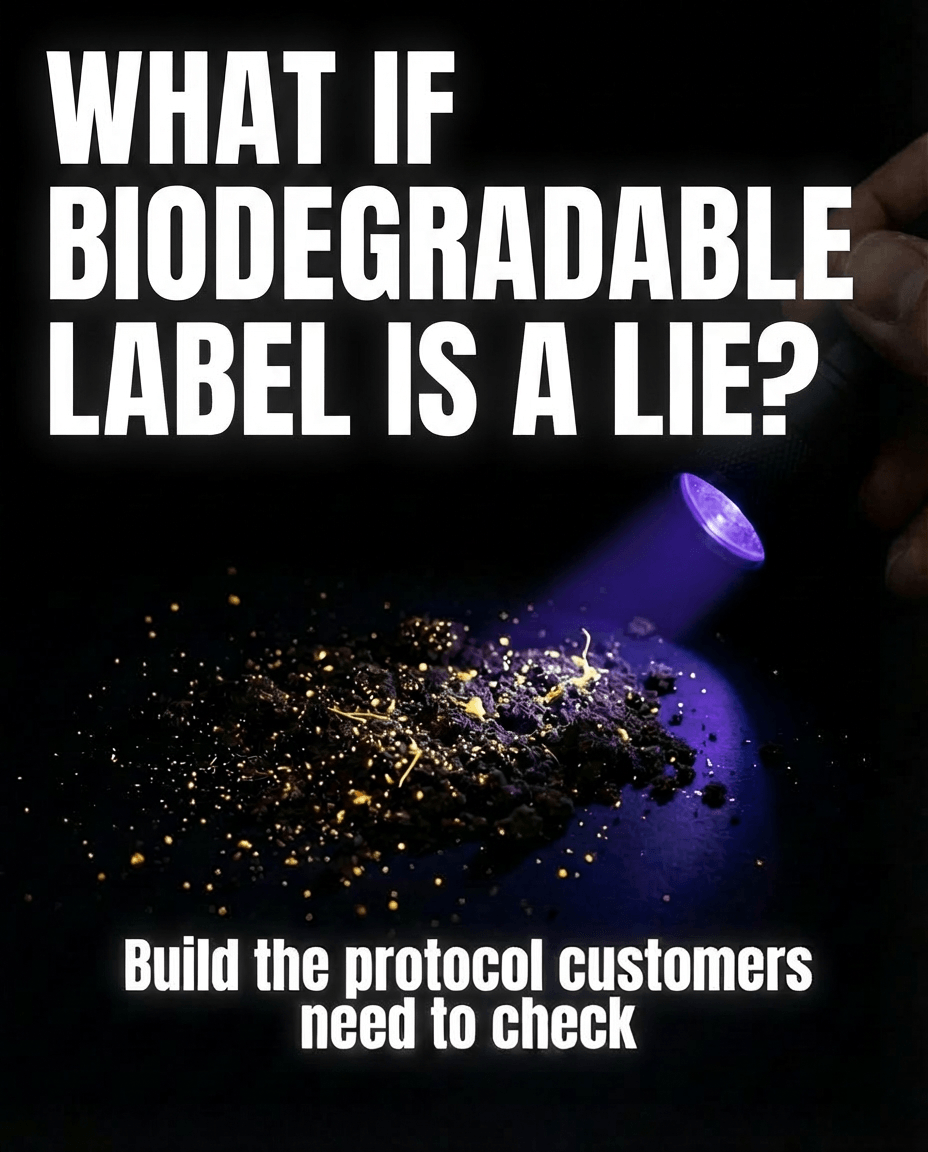
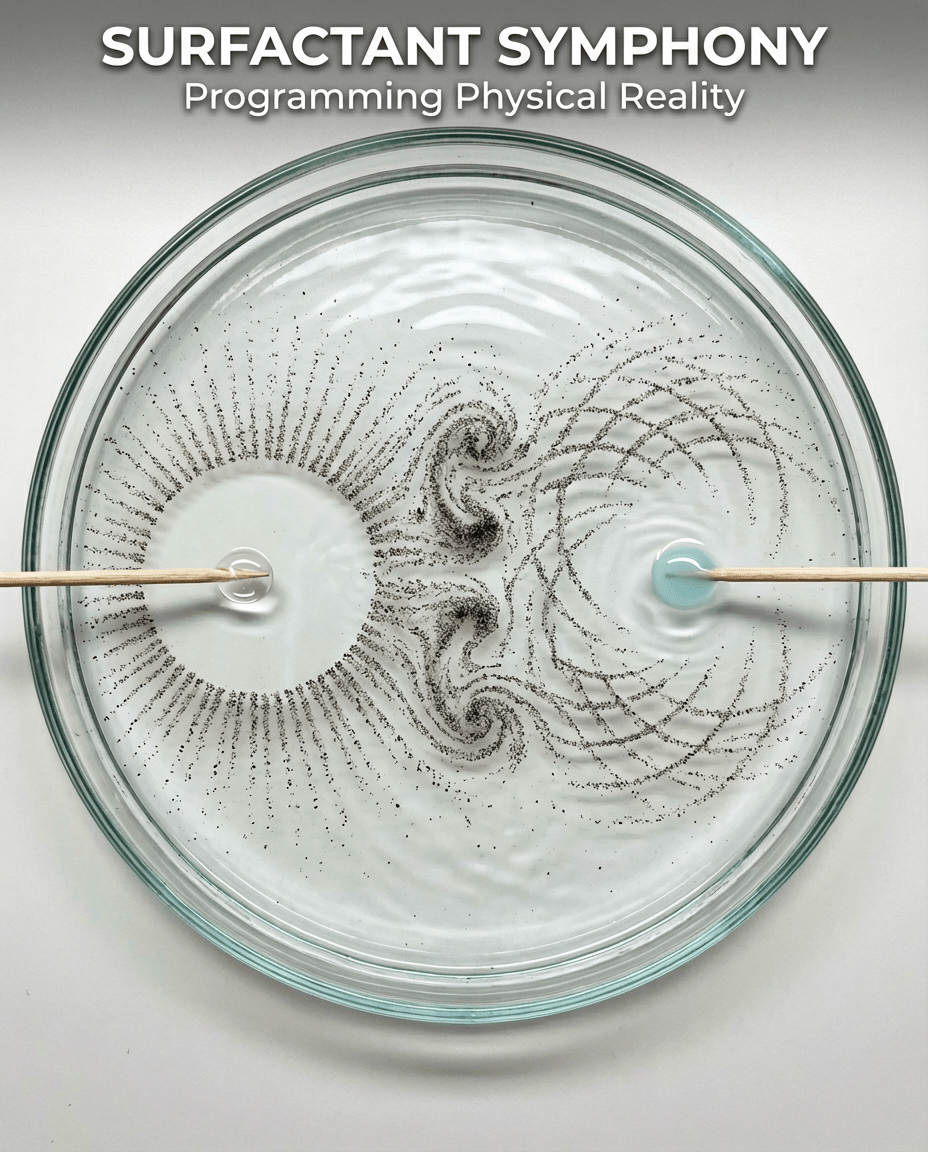
Can we write instructions in chemistry that matter obeys?
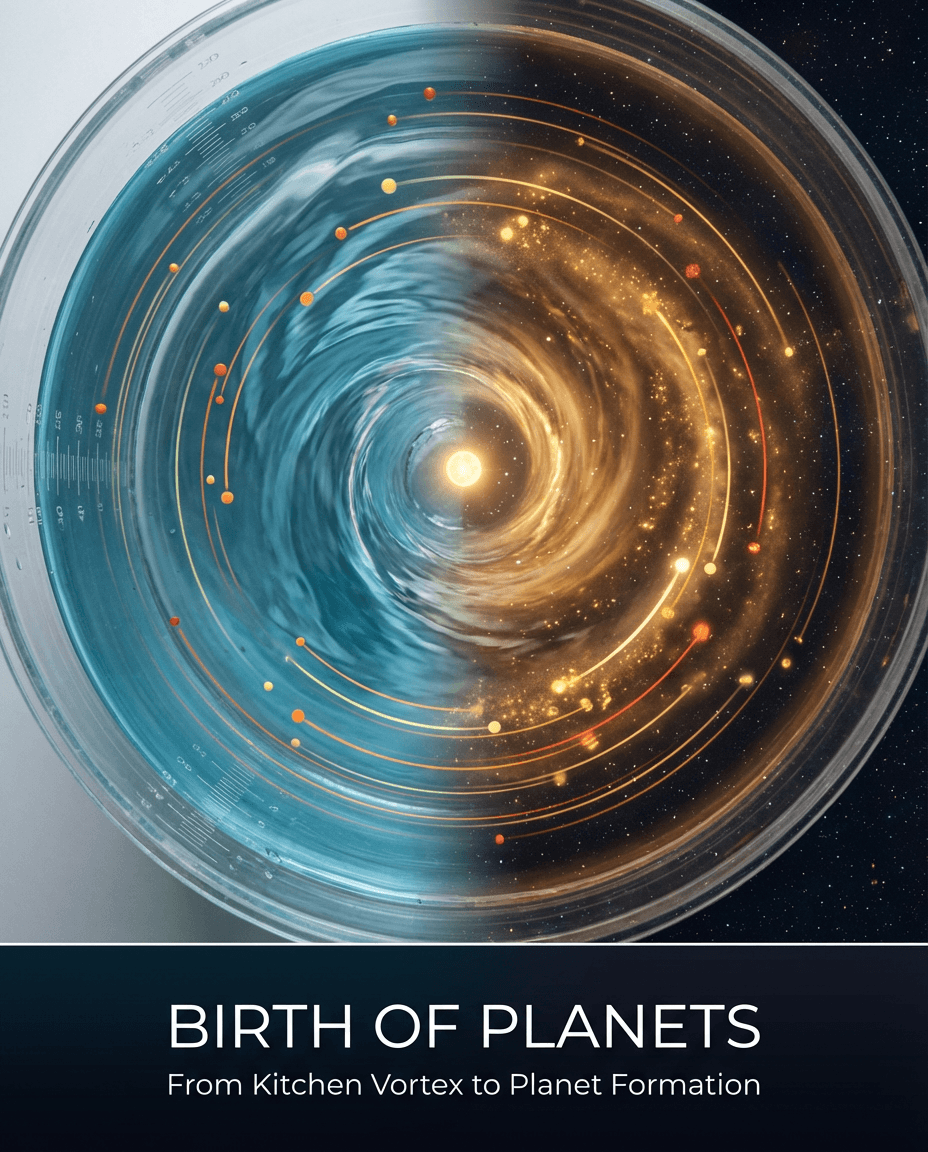
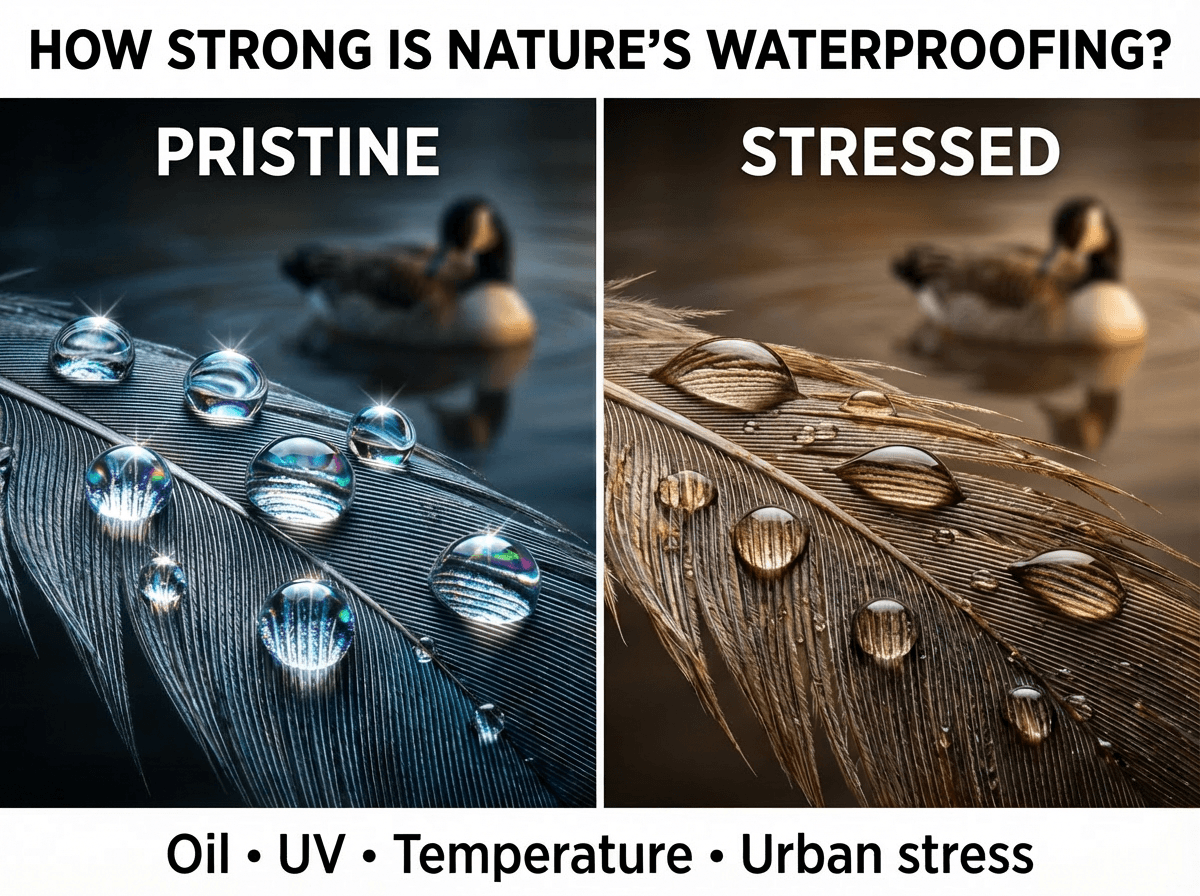
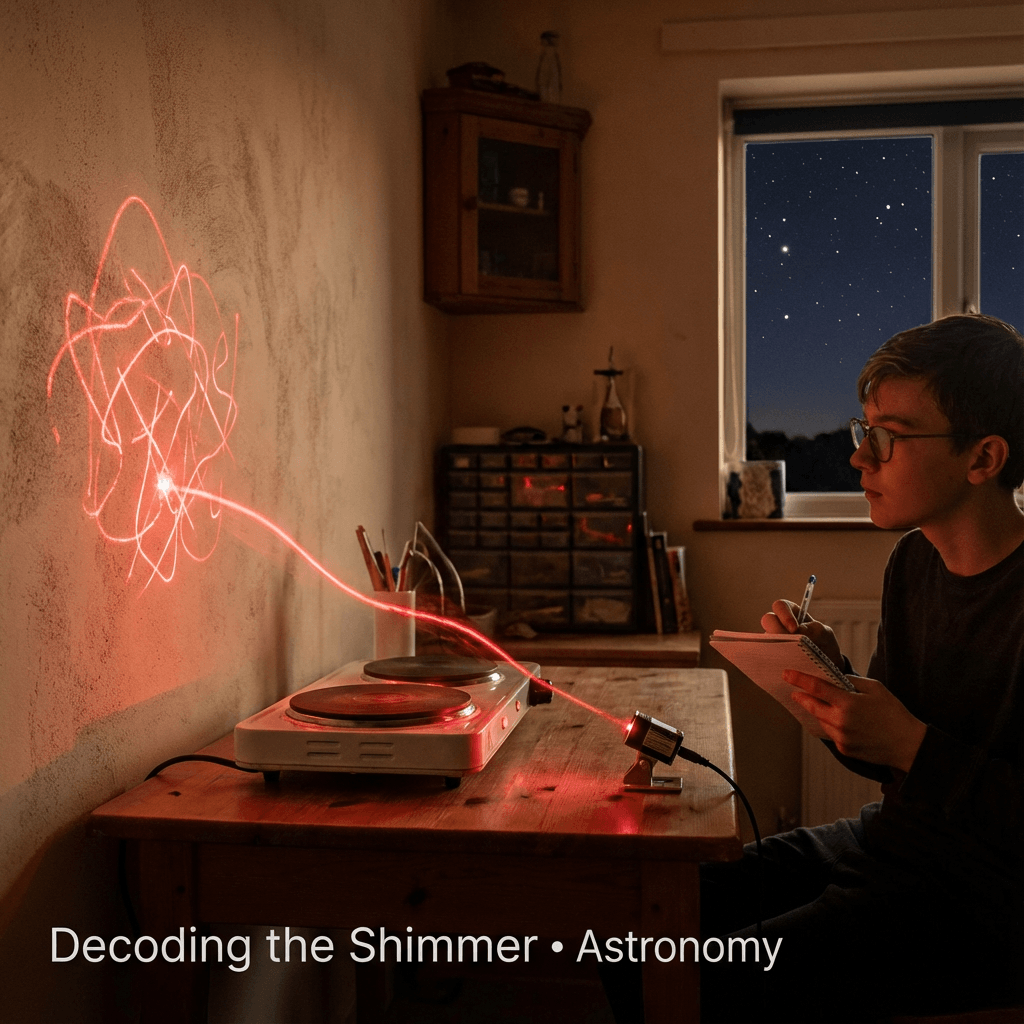
What can a dancing laser spot reveal about invisible disturbances?